Home Decor
DIY Home Office Ideas on a Budget
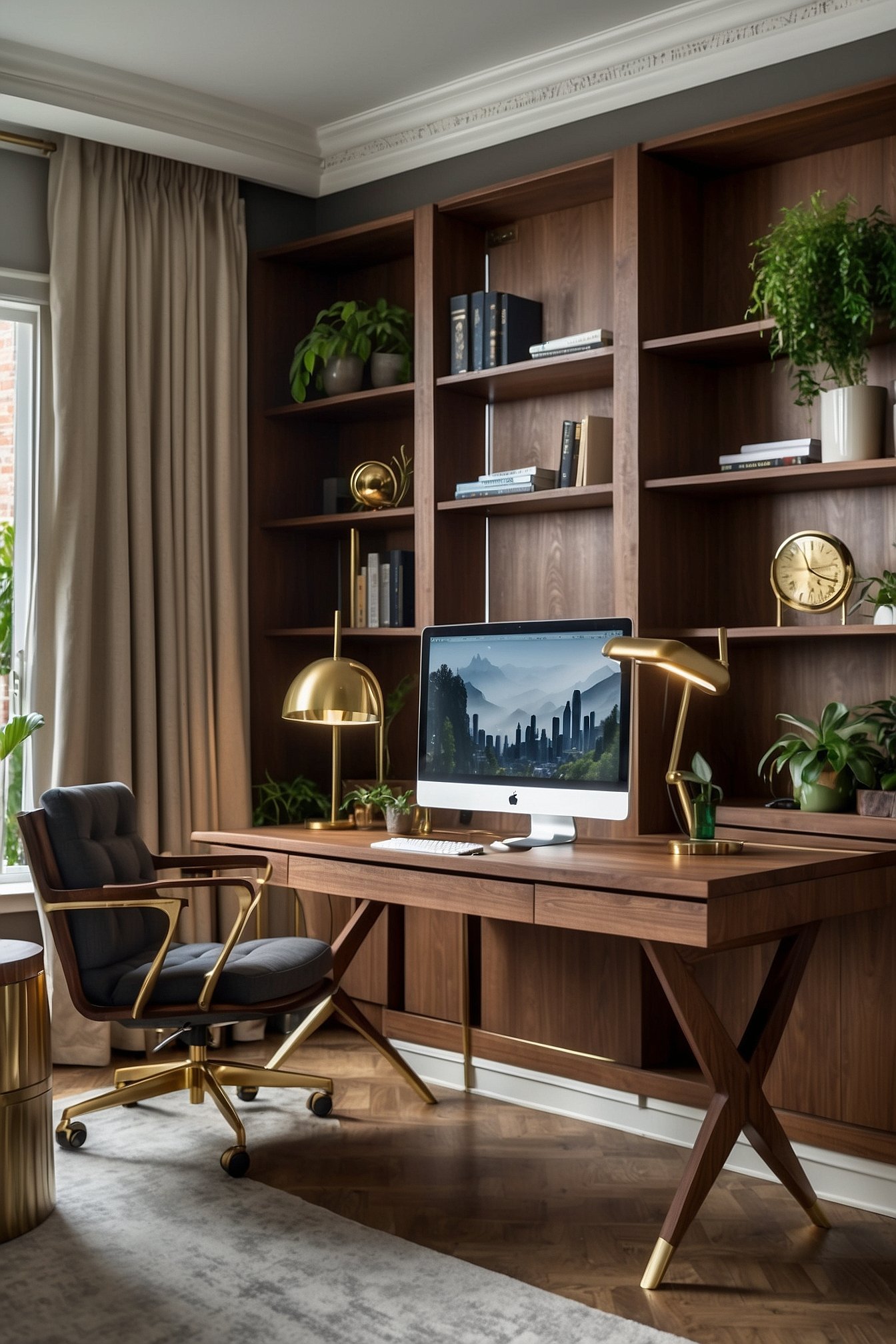
Working from home has become the norm for millions of people, but not everyone has the luxury of a dedicated office with high-end furniture and designer lighting. The good news is that you do not need a massive budget to create a home office that is functional, comfortable, and genuinely inspiring. Whether you are setting up your first workspace or refreshing a tired corner of the house, these DIY home office ideas will help you build a productive space without spending a fortune.
The key is being strategic about where you invest. A good desk and a comfortable chair make the biggest difference in your daily experience, while smart organization and lighting keep you focused and reduce fatigue. Everything in this guide is available on Amazon, and most items cost less than a nice dinner out. Let us walk through each piece of the puzzle.
Choosing the Right Desk
Your desk is the foundation of your entire workspace, so it deserves careful thought, even on a tight budget. The wrong desk leads to clutter, poor posture, and wasted space. The right one makes everything else fall into place.
If you are working with a small room or a shared living space, a compact writing desk is the smartest choice. Look for one that measures around 40 to 47 inches wide with a clean, simple design that does not overwhelm the room. A good compact writing desk runs about $85 and gives you enough surface area for a laptop, a notebook, and a cup of coffee without eating up your entire room. The best ones include a small drawer for pens, cables, and notebooks, which eliminates the need for a separate organizer on the desktop.
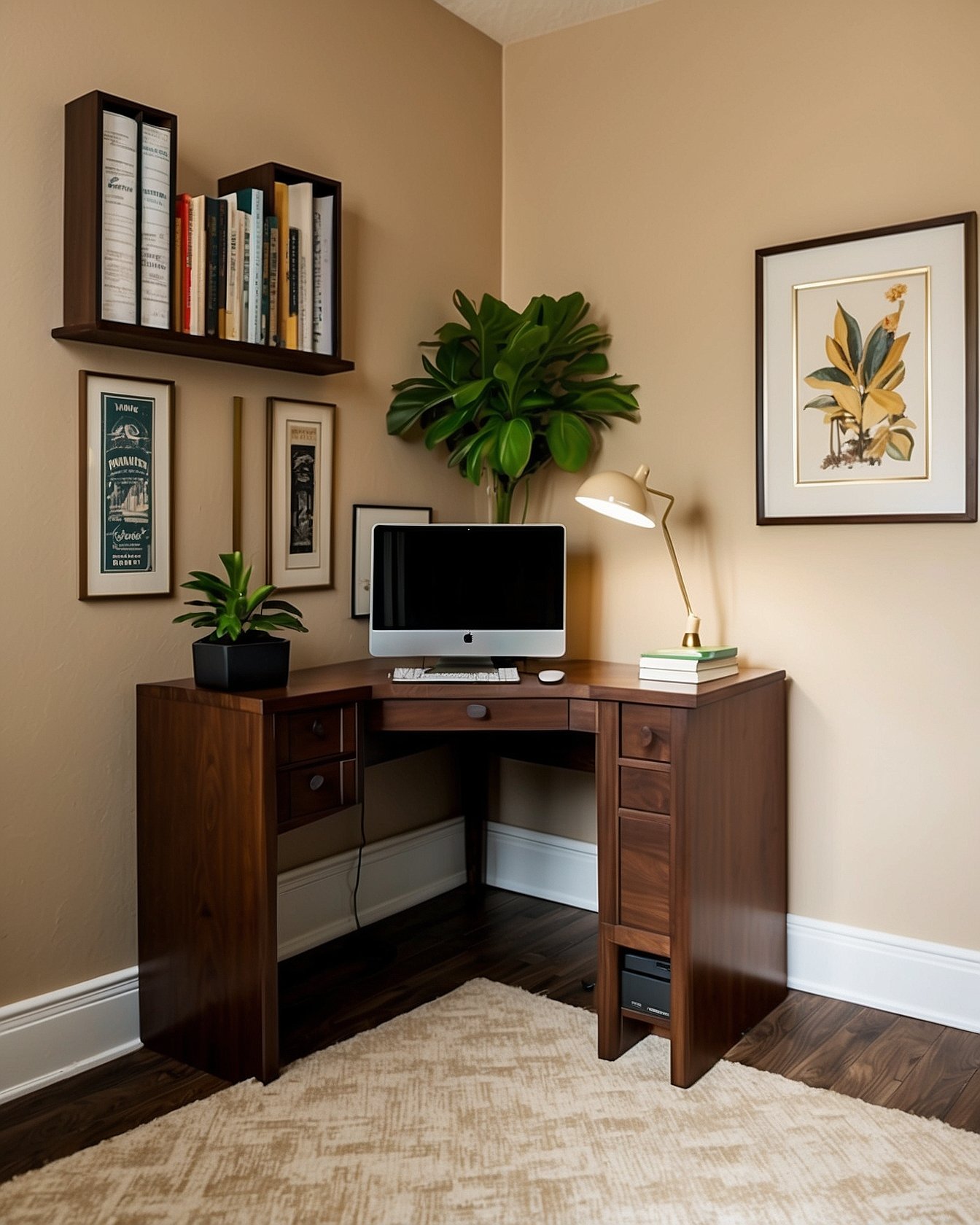
For anyone who uses a dual monitor setup or needs room for documents, sketches, or craft supplies alongside their computer, an L-shaped corner desk is the way to go. These desks tuck into a corner and double your usable surface area without taking up much more floor space than a standard desk. At around $120, an L-shaped desk is one of the best value purchases you can make for a home office. The corner design also naturally creates zones, one side for your computer work, the other for writing or projects.
If you already have a desk you like but want the health benefits of standing while you work, a standing desk converter sits right on top of your existing surface. These adjustable risers let you switch between sitting and standing throughout the day, which helps with back pain, energy levels, and focus. A solid standing desk converter costs about $95 and can transform any table or desk into a flexible sit-stand workstation. No new furniture required.
Ergonomic Chair on a Budget
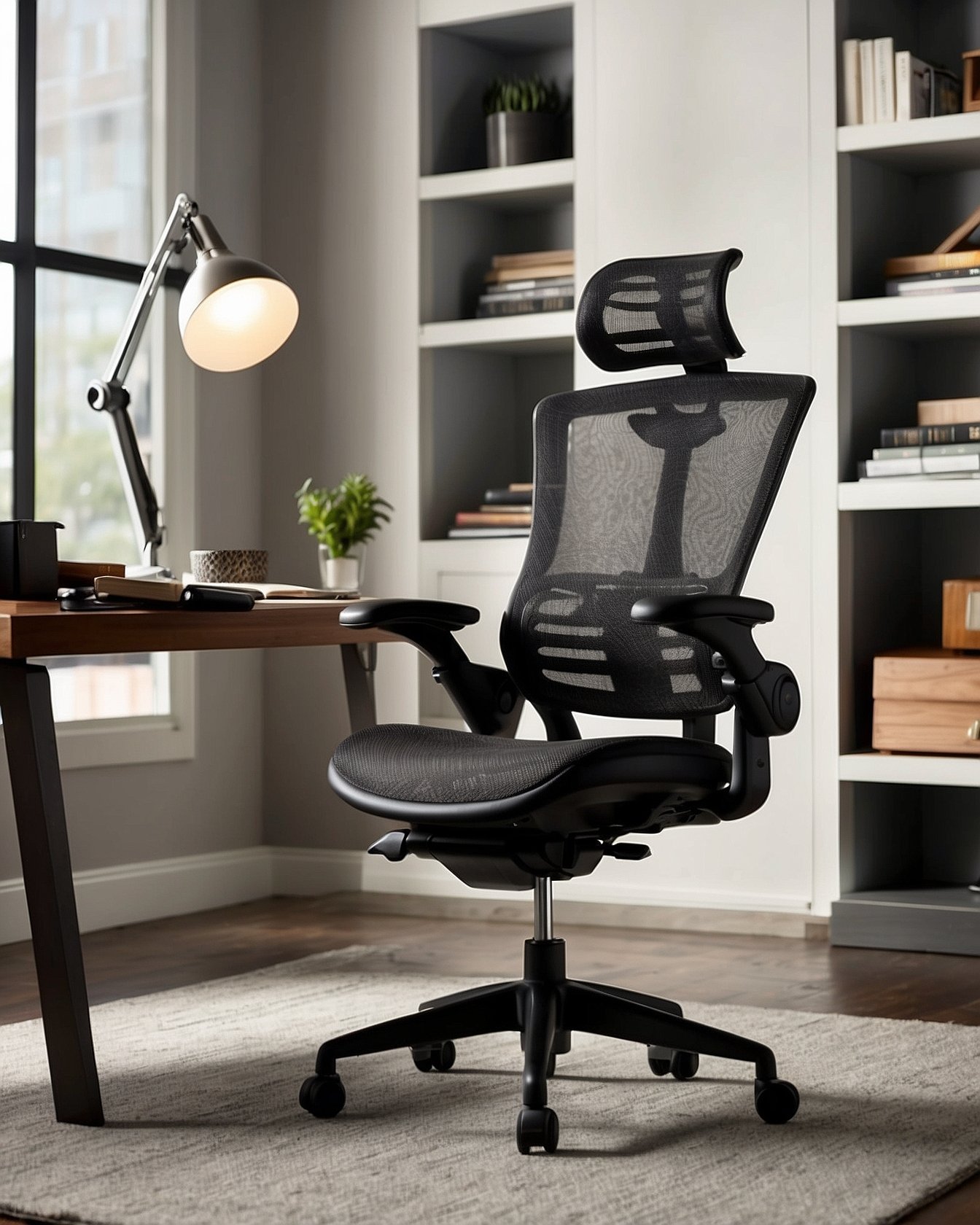
After your desk, your chair is the most important purchase. Sitting for eight or more hours a day in a bad chair leads to lower back pain, tight shoulders, and fatigue that follows you long after you close your laptop. You do not need to spend $500 on a Herman Miller to sit comfortably. Budget ergonomic chairs have come a long way.
A mesh office chair with adjustable lumbar support, armrests, and seat height is the sweet spot for budget-conscious remote workers. Mesh backs keep you cool during long work sessions, especially in warmer months, and the breathable material lasts longer than cheap faux leather that peels and cracks. A well-reviewed mesh office chair costs about $75 and offers the same core adjustments you find in chairs three times the price. Look for one with a tilt lock so you can recline slightly during calls without feeling like you are going to tip over.
If your current chair is decent but not quite comfortable enough, a memory foam seat cushion can make a surprising difference. These cushions redistribute your weight, reduce pressure on your tailbone, and add a layer of comfort that makes a basic chair feel much more supportive. At about $28, it is one of the cheapest upgrades that yields the most noticeable daily improvement. Some people use them on dining chairs or kitchen stools to turn any seat into a workable office chair.
Wall Organization
When your desk space is limited, walls become your best friend. Vertical storage keeps your workspace clear while putting everything you need within arm's reach. The trick is using your walls intentionally, not just hanging random shelves, but creating systems that match how you actually work.
A pegboard organizer is one of the most versatile wall storage solutions you can install. Originally popular in garages and workshops, pegboards have made their way into stylish home offices because they let you customize exactly where everything goes. Hooks hold headphones and cables, small shelves hold supplies, and baskets hold notebooks or mail. A pegboard with accessories costs about $30 and installs with just a few screws. Rearrange it whenever your needs change.
Floating shelves add storage and style at the same time. Mount a pair above your desk for books, small plants, and decorative items that make your workspace feel personal without cluttering your work surface. A set of two floating shelves runs about $25 and takes twenty minutes to install. Choose a finish that matches your desk, white shelves keep things light and airy, while natural wood adds warmth.
For visual thinkers and planners, a cork board mounted next to your desk gives you a place to pin project timelines, inspiration images, business cards, and sticky notes. It is analog, tactile, and surprisingly effective for keeping track of ideas that get lost in digital apps. A framed cork board costs about $18 and adds a warm, textured element to your office wall.
Lighting That Reduces Eye Strain
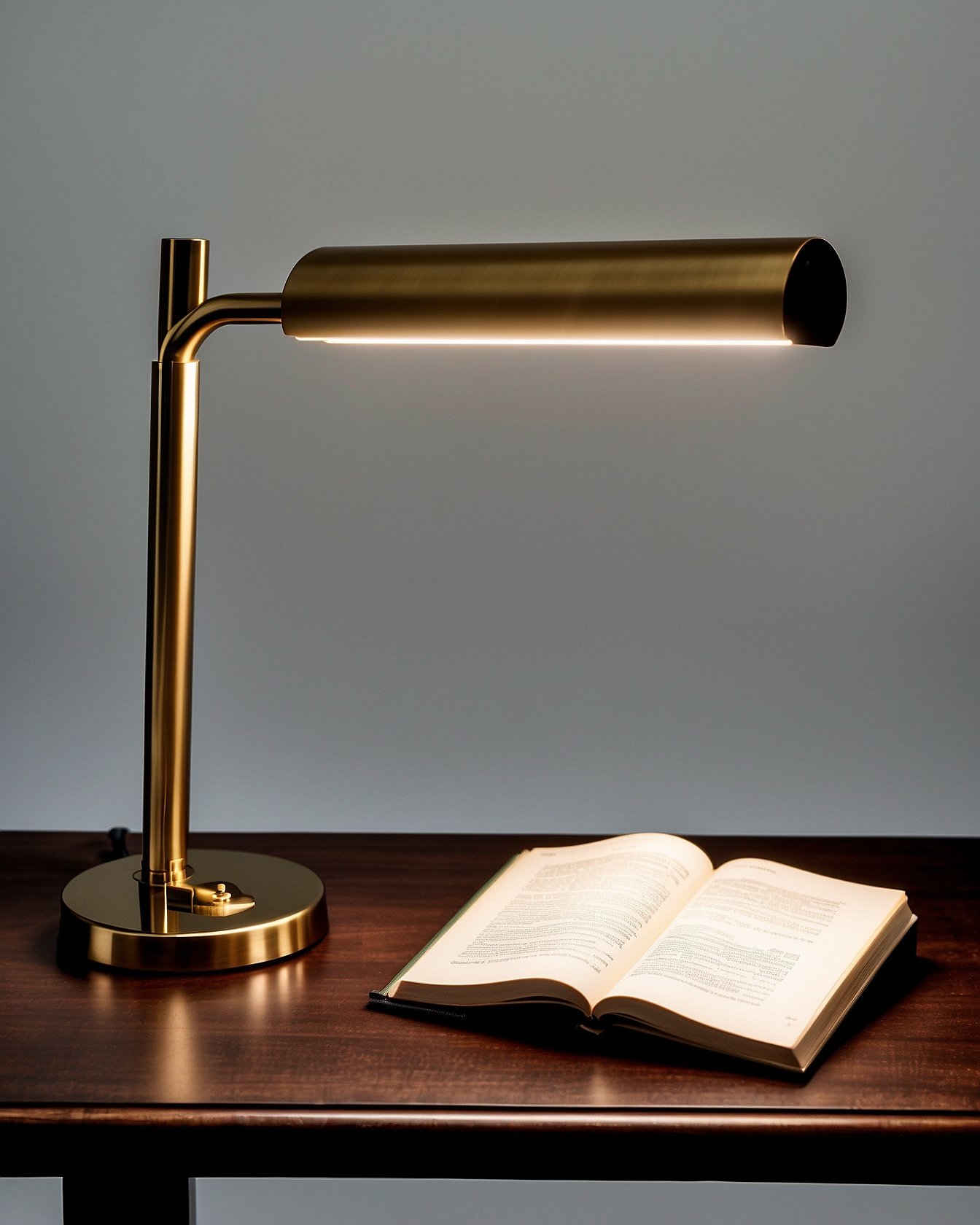
Bad lighting is one of the most overlooked problems in home offices. Overhead ceiling lights cast harsh shadows, and natural light from windows, while beautiful, shifts throughout the day and creates glare on screens. Dedicated task lighting solves both problems and keeps your eyes comfortable during long work sessions.
An LED desk lamp with adjustable brightness and color temperature is essential. The best budget options let you switch between warm light for creative work and cool white light for focused reading or detailed tasks. Look for a lamp with a flexible gooseneck or adjustable arm so you can direct light exactly where you need it without illuminating your screen. A quality LED desk lamp costs about $28 and uses a fraction of the electricity of older bulb styles.
If you work primarily on a computer, a monitor light bar is a game changer. These slim lights mount on top of your monitor and cast an even, glare-free light across your desk without reflecting off the screen. They illuminate your keyboard, documents, and desk surface while keeping the monitor itself clear. A monitor light bar runs about $35 and eliminates the need for a separate desk lamp entirely, which frees up desk space. This is one of those products you did not know you needed until you try it.
Cable Management
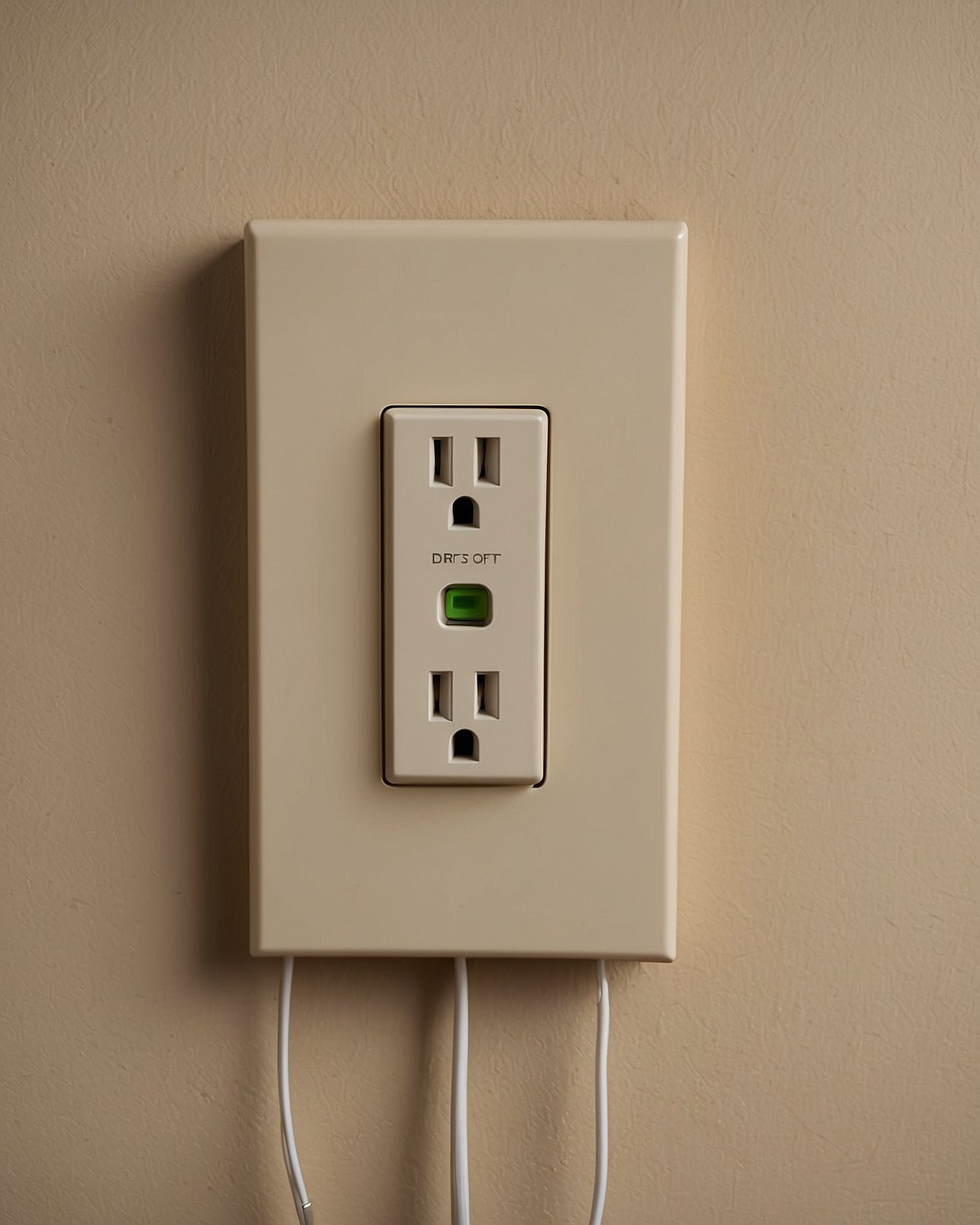
Nothing ruins the look and feel of a clean home office faster than a tangle of cables behind and around your desk. Phone chargers, laptop cables, monitor cords, lamp plugs, they add up quickly. Taking thirty minutes to manage your cables makes your office look twice as expensive and prevents the frustration of untangling cords every time you need to unplug something.
A cable management box hides your power strip and all the plug connections in one clean enclosure that sits under or behind your desk. The cables go in through slots on either end, and the lid covers everything. At about $16, it is the single cheapest way to make a cluttered desk look professionally organized. Choose a white box for light desks or a black one for dark furniture.
For cables that run along your desk surface or up to wall-mounted monitors, adhesive cable clips keep everything routed neatly. These small clips stick to the back edge of your desk or along the wall and hold each cable in its own channel. A pack of cable clips costs about $8 and takes five minutes to apply. Once installed, your cables stay in place and out of sight.
A power strip with USB ports replaces the bulky wall-wart chargers that hog outlet space and adds convenient USB charging for phones and tablets. Mounting a slim power strip to the underside of your desk with the included adhesive keeps it accessible but invisible. A power strip with USB runs about $22 and gives you six to eight outlets plus two or three USB ports, enough for your entire setup.
Decor That Inspires
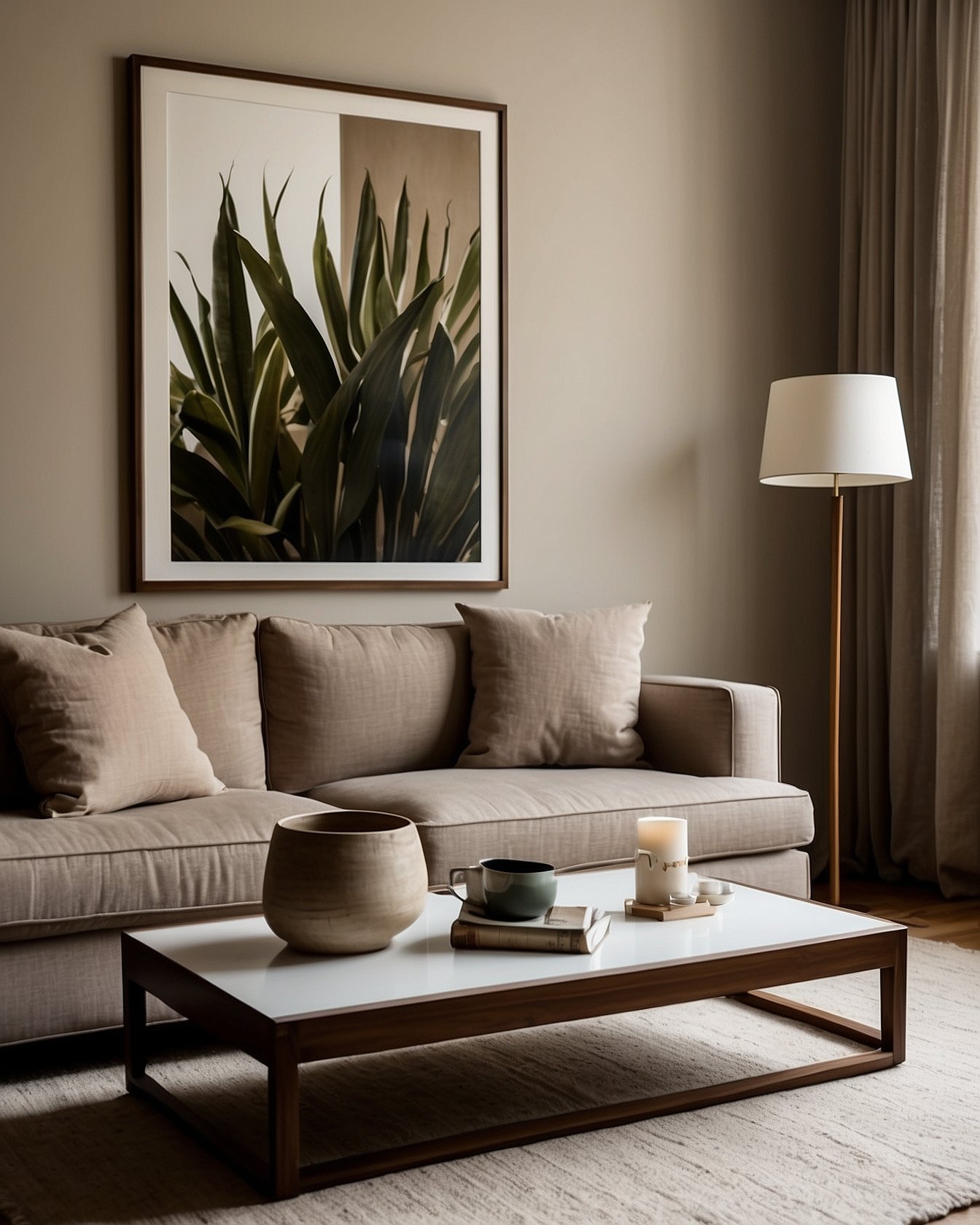
A home office should not look or feel like a sterile cubicle. Adding a few intentional decor pieces makes your workspace somewhere you actually want to spend time. The key word is intentional, do not clutter your desk with decorations. Choose a few items that serve a purpose or bring you genuine joy.
A small plant set brings life and color into your office while improving air quality. Low-maintenance varieties like pothos, snake plants, and succulents thrive in indoor conditions and require watering only once a week or less. A set of two or three small potted plants costs about $20 and makes your desk feel more alive. If you do not have a green thumb, high-quality faux plants look nearly identical and require zero care.
Motivational prints or minimalist wall art give your office personality without overwhelming the space. Choose prints with typography, abstract designs, or nature photography that resonates with how you want to feel while working. A set of prints costs about $15 and frames for them can be found at any dollar store or thrift shop. Lean them on your floating shelves or hang them in a simple gallery arrangement above your desk.
A desk organizer keeps your daily essentials tidy and within reach. Look for one with compartments for pens, a slot for your phone, and a small tray for sticky notes or paper clips. A well-designed desk organizer costs about $24 and eliminates the small clutter that accumulates throughout the workday. Bamboo and wood organizers look especially polished and blend well with most office aesthetics.
Storage Solutions

Even a well-organized desk needs backup storage for files, supplies, and reference materials that you do not use every day but need to access regularly. Smart storage keeps your office functional without turning it into a warehouse.
A small filing cabinet on wheels fits under most desks and provides two or three drawers for documents, notebooks, and office supplies. Rolling cabinets let you tuck them away when not needed and pull them out when you do. A compact filing cabinet costs about $45 and holds more than you would expect. Choose one with a lock if you store sensitive documents.
Decorative storage boxes keep shelves looking clean while hiding supplies, old notebooks, and tech accessories. Fabric or woven storage boxes cost about $22 for a set of three and come in neutral tones that blend with any decor. Label them if you want to find things quickly, or leave them unlabeled for a cleaner look. These work especially well on floating shelves and bookcases.
A small bookshelf next to or behind your desk provides dedicated space for reference books, binders, storage boxes, and decor. A three or four-shelf bookcase costs about $55 and anchors your office space visually. Style it with a mix of books, plants, and a few decorative objects to keep it from looking like a filing system. A well-styled bookshelf is one of the most Pinnable elements in any home office photo.
Making a Small Space Work
Not everyone has a spare bedroom to convert into an office. If you are working with a closet, a corner of the living room, or a sliver of space in the bedroom, you can still create a workspace that feels intentional and productive. The key is treating your office zone as its own defined area, even if it shares square footage with another room.
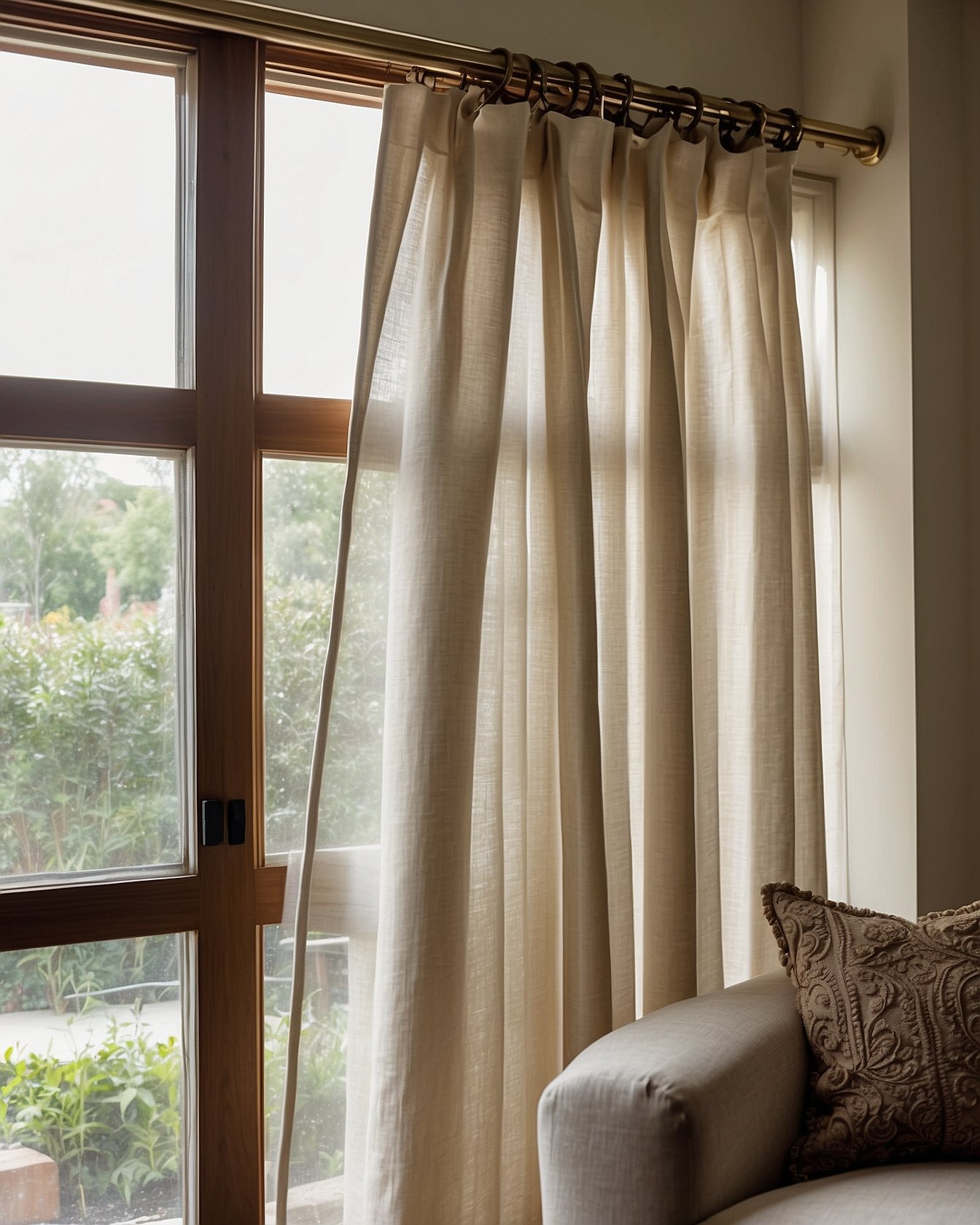
Closet offices have become one of the most popular small-space solutions on Pinterest, and for good reason. Remove the closet doors, or replace them with a curtain, and you have a built-in nook that is perfectly sized for a desk, a shelf above, and a task light. The walls on either side act as natural boundaries that keep your office supplies from spilling into the rest of the room. When the workday is over, close the curtain and your office disappears. A tension rod and a simple curtain panel cost less than $20 and give you the ability to completely hide your workspace when you are off the clock.
Corner setups make use of space that often goes to waste. Place a small desk diagonally into a corner or use a corner-specific desk that hugs both walls. Mount a pegboard or shelves on one wall and keep the other wall for a small piece of art or a plant. The diagonal angle creates a surprisingly spacious feel even in tight quarters. Add a small rug underneath your chair to visually separate your office zone from the rest of the room, this simple trick makes a shared space feel like two distinct areas.
Another option is the wall-mounted fold-down desk. These desks attach to the wall and fold flat when not in use, giving you a full work surface that takes up zero floor space when closed. They work beautifully in hallways, bedrooms, and living rooms where space is at a premium. Pair one with a wall-mounted shelf above for storage and you have a complete mini office that folds away in seconds.
No matter how small your space, the principles are the same. Keep only what you need within reach, use vertical space aggressively, manage your cables, and add one or two personal touches that make the space feel like yours. A productive home office is not about square footage, it is about intention.
Smart Upgrades for Your Home Office
Once you have the basics in place, a few smart home additions can take your home office from functional to genuinely impressive. These are the kind of upgrades that save you time, add convenience, and make your workspace feel more polished, without a complicated setup.
If your office has a window, the SwitchBot Smart Curtain is worth a serious look. It attaches to your existing curtain rod and automates opening and closing on a schedule or with a tap on your phone. Set your curtains to open with your morning alarm for natural light, then close them automatically during afternoon glare to protect your screen. It is a small upgrade that makes a real difference in comfort and focus throughout the day.
Security matters when you work from home, especially if you keep equipment and documents in your office. The SwitchBot Smart Lock lets you lock and unlock your door remotely, set temporary access codes for visitors, and check your lock status from anywhere. It installs over your existing deadbolt in minutes with no tools required, currently 30% off.
If you are furnishing your home office from scratch or looking to swap out a tired desk or bookshelf, the Sicotas Evergreen Collection offers clean, modern furniture at a fraction of what you would pay at a big-box store. Their desks and shelving units have that minimalist look that photographs beautifully and fits right into an earthy or Scandinavian-inspired home office. The quality-to-price ratio is hard to beat.
Building a home office on a budget is about making smart choices, not sacrifices. Every item in this guide was chosen because it delivers real value for the price and has been tested by thousands of Amazon reviewers. Start with the pieces that will make the biggest difference in your daily work, your desk and chair, then layer in organization, lighting, and decor as your budget allows. Your workspace should support how you work, not fight against it. And the best part? Every single upgrade here costs less than a trip to a furniture store.