Home Decor
10 Staircase Design Trends for 2026
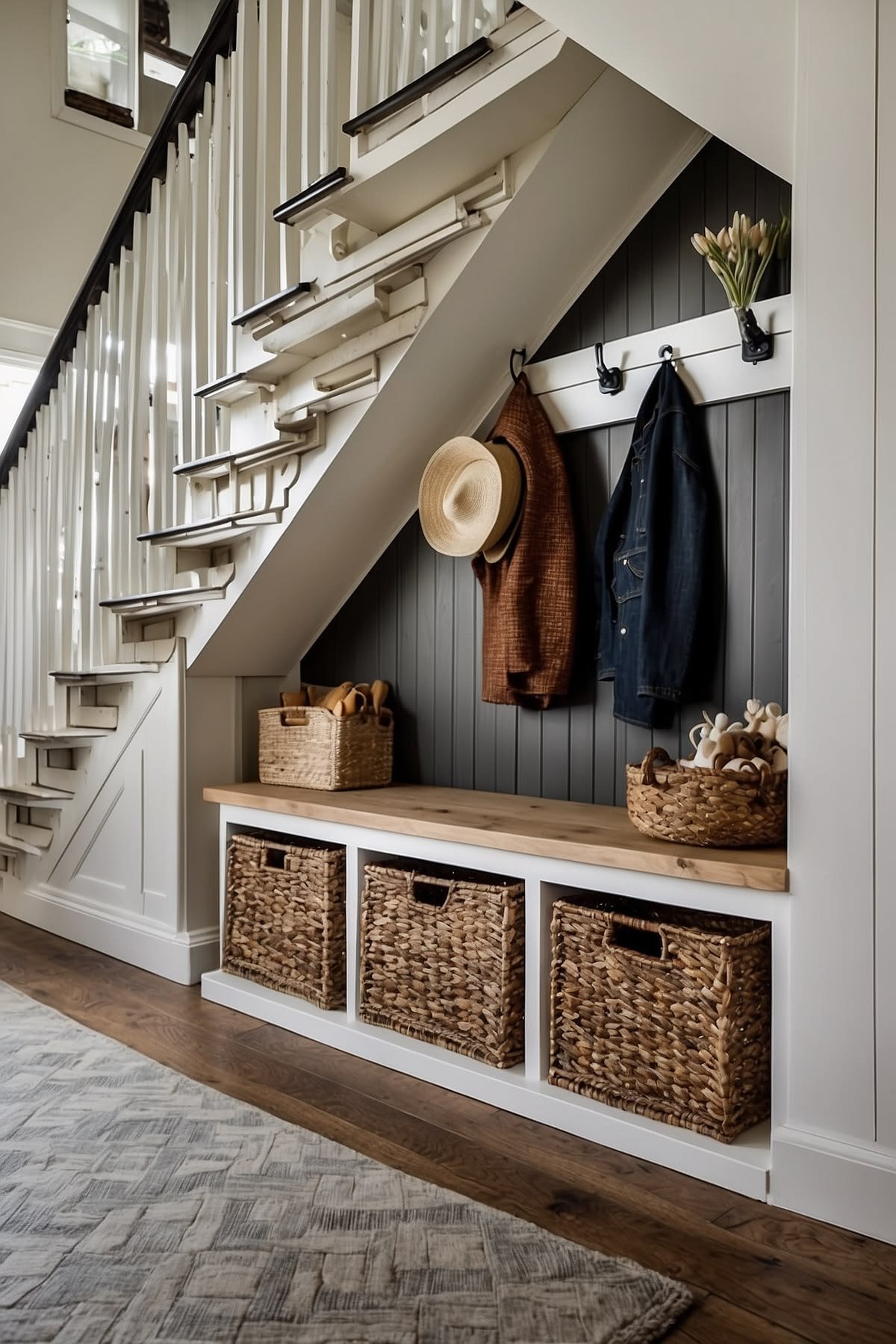
The staircase is one of those architectural elements that quietly defines the entire feel of a home. It is usually the first thing guests see when they walk through the door, yet for decades it was treated as purely functional, something to get from one floor to the next. In 2026, staircases are having a moment. Designers are treating them as the sculptural centerpieces they deserve to be, and homeowners are following suit with renovations that transform ordinary stairs into conversation pieces.
Whether you are building new, renovating, or just swapping out the railings and runner on an existing staircase, these ten trends capture what is happening in home design right now. From floating steps that appear to defy gravity to moody black metal railings and statement runners, here is what is dominating Pinterest boards, designer portfolios, and real home renovations this year.
1. Floating Staircases
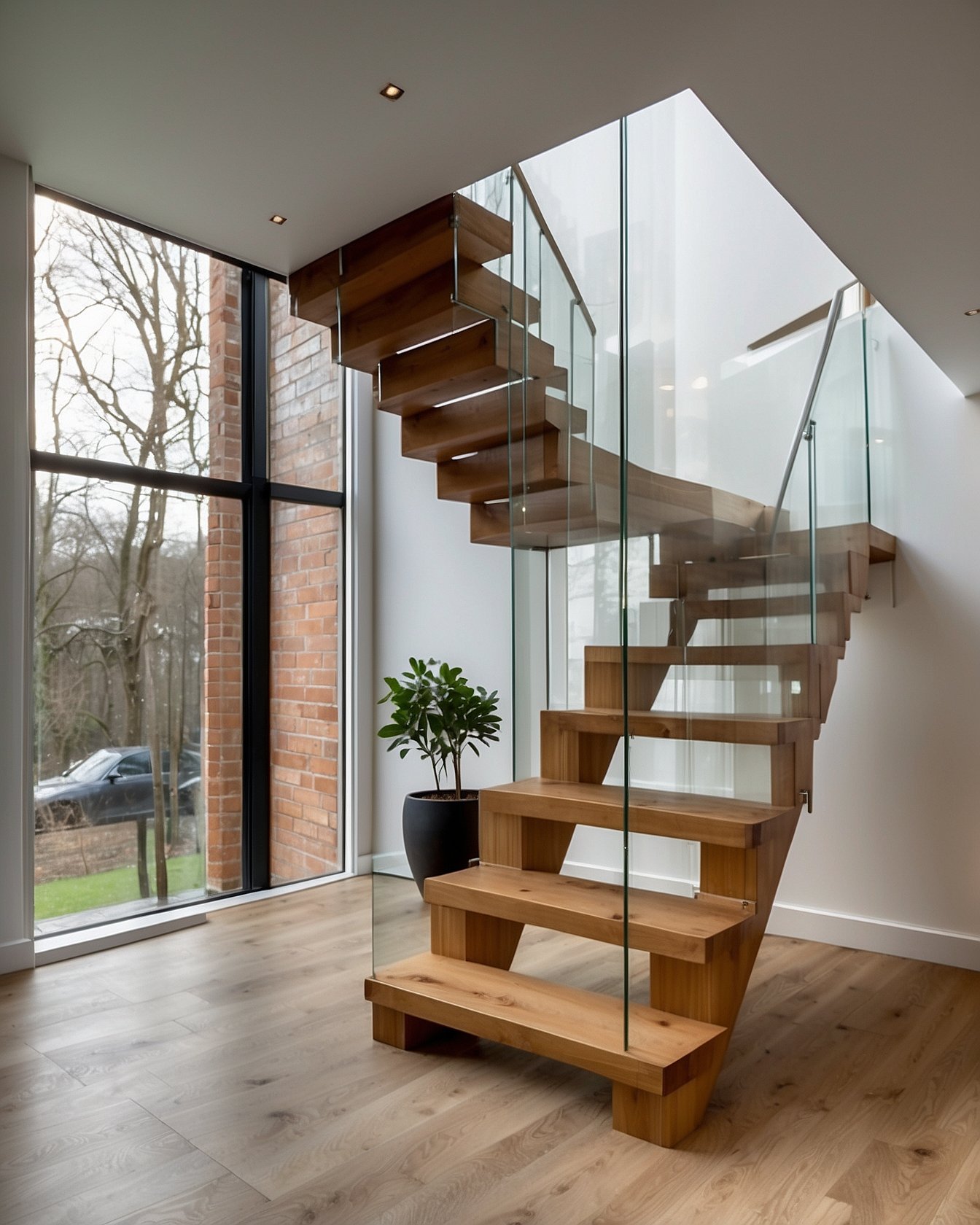
Floating staircases are the defining architectural move of 2026. Each tread appears to extend from the wall with no visible supports, creating the illusion that the steps are suspended in midair. The effect is dramatic, minimal, and unmistakably modern. In reality, the treads are anchored into steel supports hidden within the wall, but the visual result is pure magic. Floating stairs work especially well in entryways where you want to preserve sight lines and let light flow through the space.
Best for: Modern and contemporary homes, open floor plans, entryways with tall ceilings and good natural light.
Material pairings: White oak or walnut treads against white or warm neutral walls. A thin steel or glass railing keeps the minimal feel intact.
To finish the look, the Govee LED Strip Lights installed under each tread adds a soft glow at night, turning the staircase into functional sculpture after dark.
2. Black Metal Railings
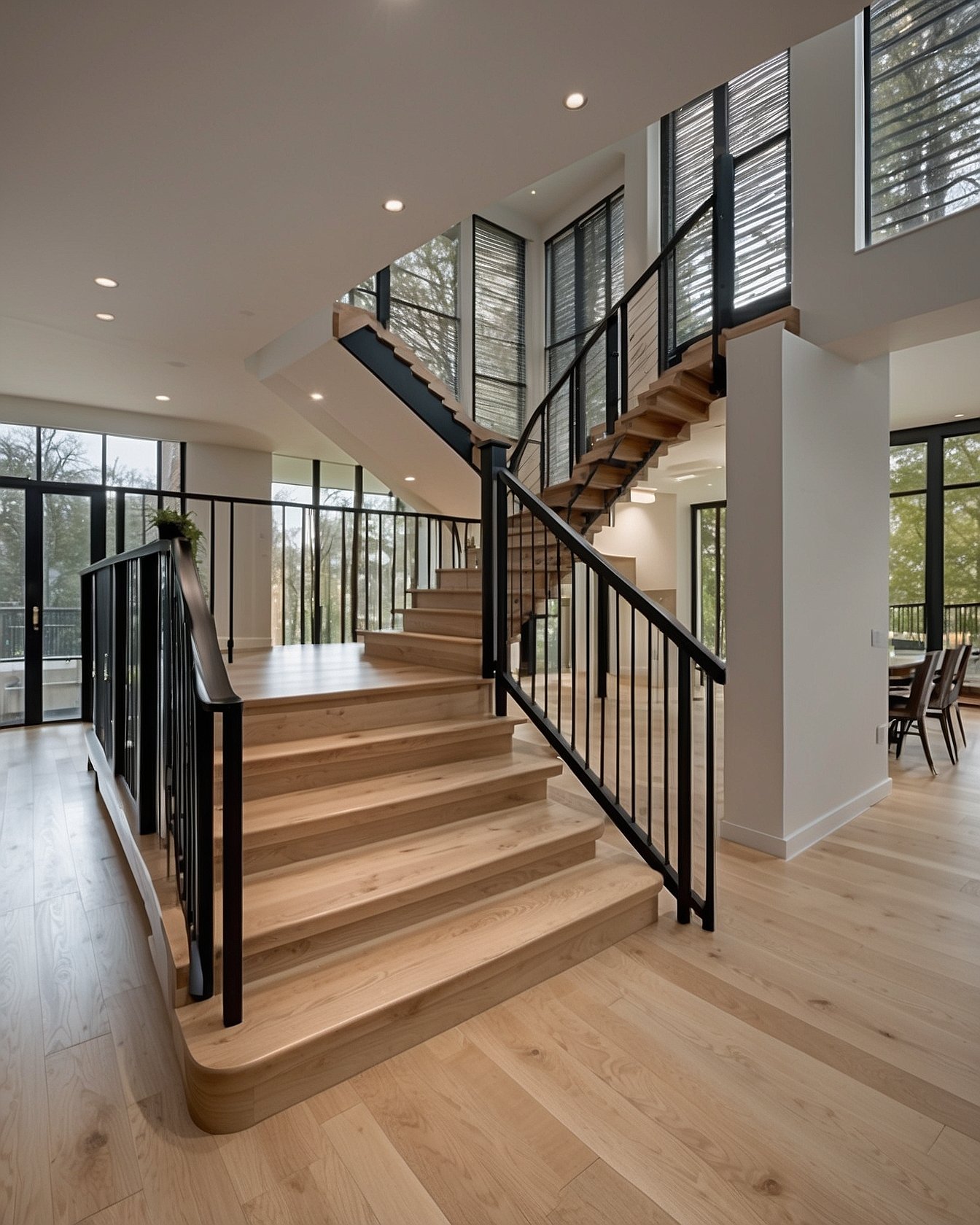
Matte black metal railings replaced traditional white or wood spindles as the go-to choice for modern staircases. The graphic contrast of slim black metal against light walls and natural wood treads feels crisp, architectural, and confident. Horizontal black metal rails in particular have exploded in popularity, referencing industrial and farmhouse aesthetics while still feeling thoroughly contemporary.
Best for: Modern farmhouse, industrial, transitional, and Scandinavian interiors.
Material pairings: Warm wood handrails for contrast, white oak or walnut treads, and white or warm neutral walls.
Installation note: If you are replacing existing railings, measure twice and confirm local building codes for spindle spacing, typically no more than 4 inches apart to prevent a small child from slipping through.
3. Cable Railings
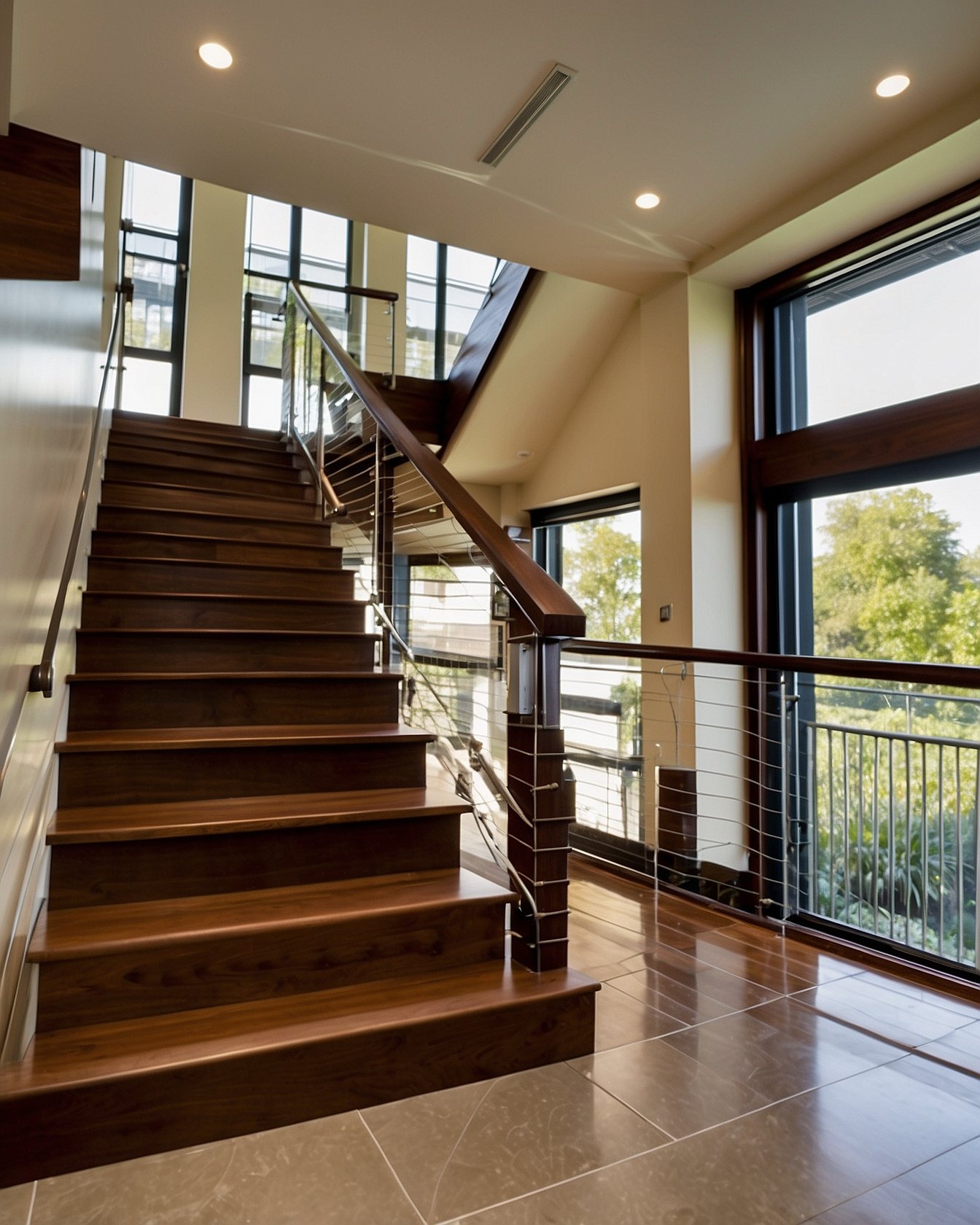
Cable railings are the minimalist cousin of the traditional spindle railing. Thin stainless steel cables run horizontally between wood or metal posts, creating a railing that barely interrupts the view. They are especially popular in modern homes, loft-style apartments, and waterfront properties where maintaining sight lines is important. Cable railings work both indoors and on exterior decks and balconies.
Best for: Modern, minimalist, and coastal homes with open floor plans.
Material pairings: Light wood or dark wood posts, white oak treads, and a thin wood handrail.
For DIY installers, the Muzata Cable Railing Kit has everything you need for a 10 foot run, including tensioners, end fittings, and the 1/8 inch stainless steel cable. The finish is industrial grade and rated for both indoor and outdoor use.
4. White Oak Treads
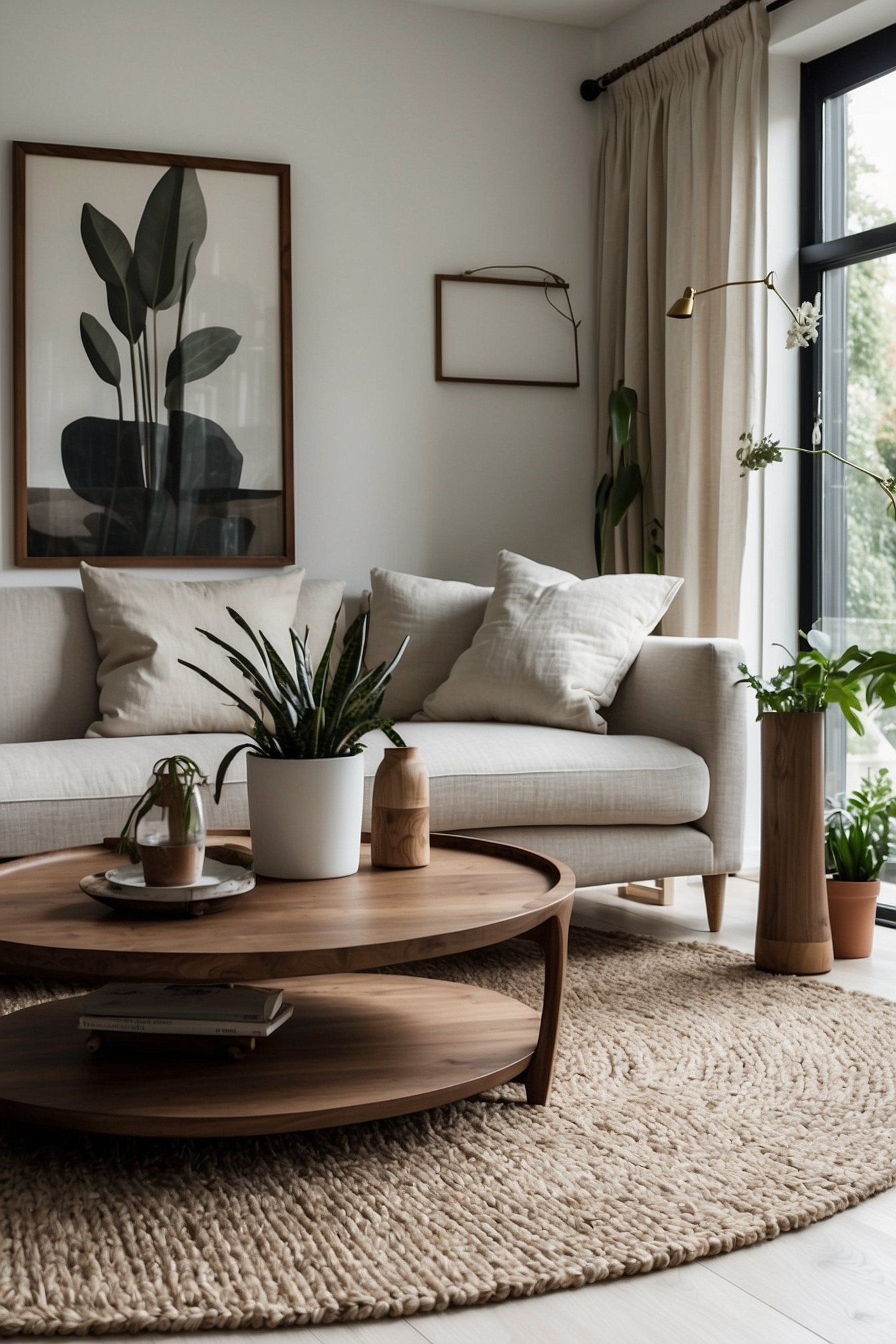
If there is one wood dominating interior design in 2026, it is white oak. Light, warm, and versatile, white oak treads are replacing dark stained wood and painted steps as the overwhelming favorite. The grain is subtle without being flat, and the natural tone plays beautifully with everything from black metal railings to plaster walls to terrazzo floors. White oak also hides wear and scratches better than darker woods, a practical consideration for a high-traffic surface.
Best for: Modern, Scandinavian, Japandi, and transitional interiors.
Finish options: A clear matte polyurethane preserves the natural color. A light whitewash adds Scandinavian softness. A natural hardwax oil like Rubio Monocoat gives a hand-rubbed, European feel.
5. Glass Panel Railings
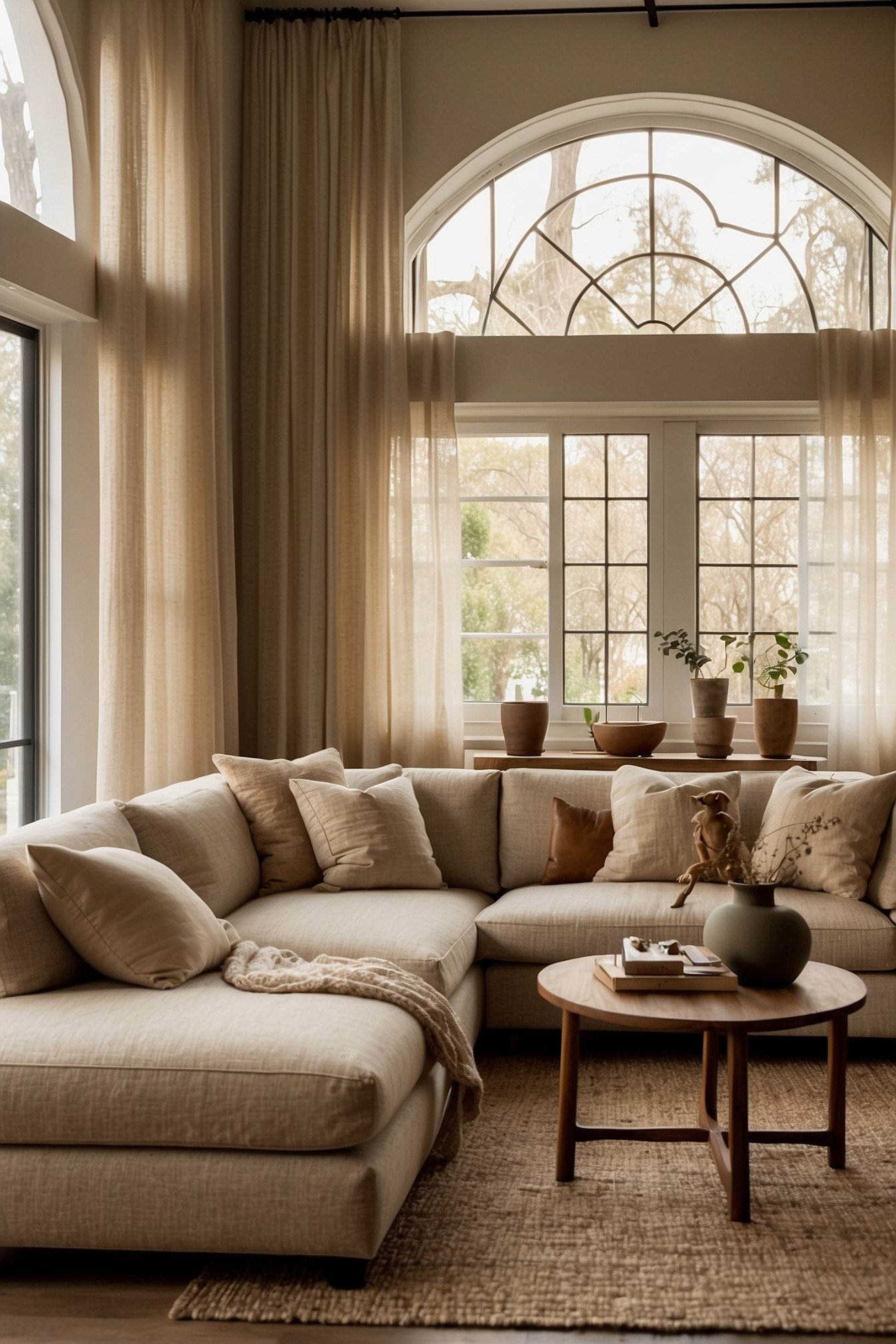
For maximum transparency and light flow, glass panel railings are impossible to beat. Tempered glass panels sit between slim metal posts or even float without visible supports, preserving views and making spaces feel larger and more open. Glass railings work particularly well in stairs that face a window, gallery wall, or architectural feature you want to show off. They require more maintenance than other railing types, fingerprints and smudges show immediately, but the visual payoff is significant.
Best for: Modern, minimalist, and contemporary homes, especially those with strong architectural features to showcase.
Cleaning tip: A microfiber cloth and a 50/50 mix of distilled water and white vinegar keeps the glass spotless without streaking.
6. Walnut Wood Steps
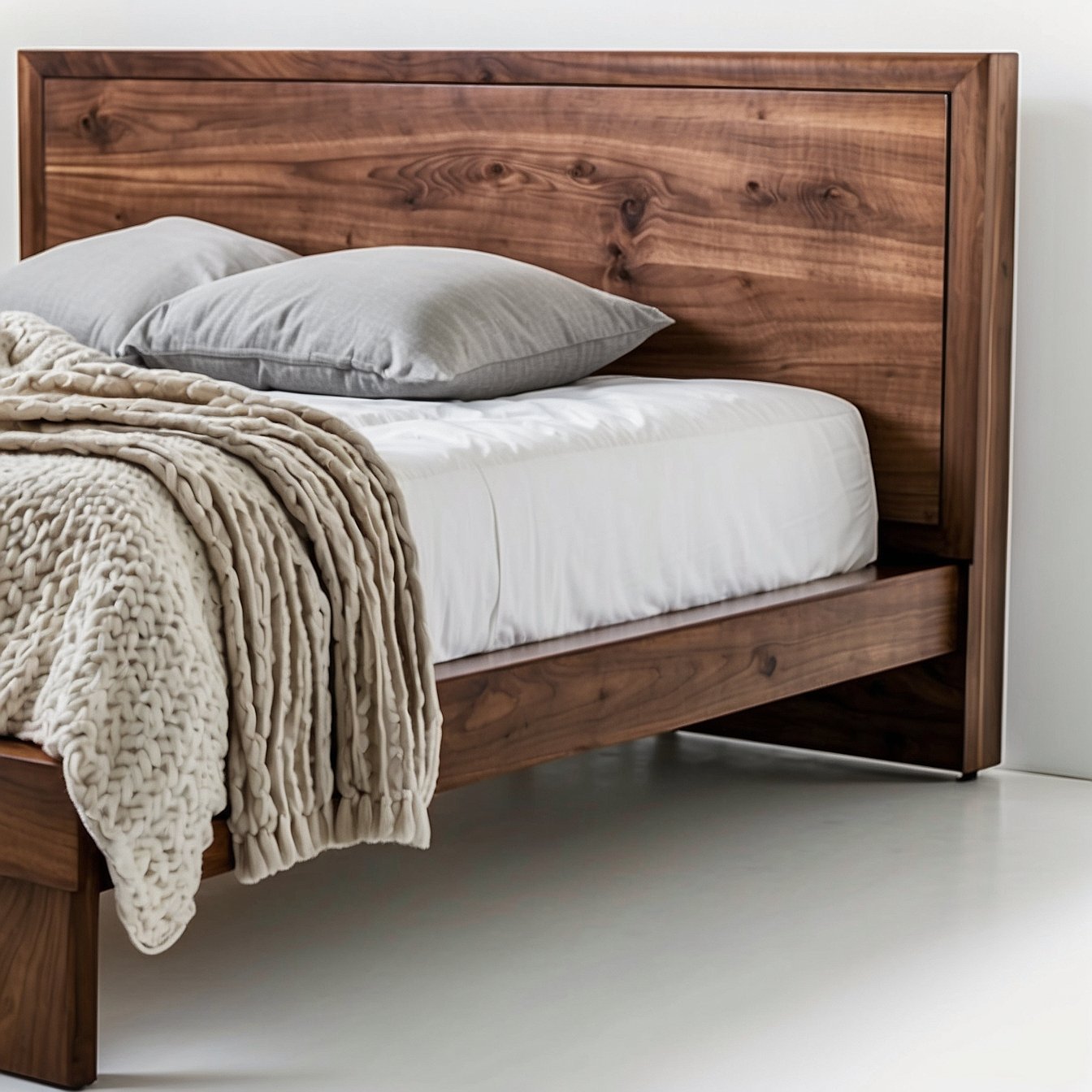
Walnut treads bring a darker, richer, more traditional feel than white oak. This is the staircase material of choice for homeowners who want warmth and gravitas, the staircase equivalent of a well-tailored suit. Walnut works beautifully in traditional, transitional, and mid-century modern homes. The deep chocolate tones pair stunningly with warm white walls, brass hardware, and cream or jute stair runners.
Best for: Traditional, transitional, mid-century modern, and warm contemporary interiors.
Pairing tip: Walnut treads with white risers create the classic, elegant look that never goes out of style. For a more modern take, keep the risers walnut as well for a fully immersive dark wood staircase.
7. Open Riser Design
Open riser staircases skip the traditional vertical back panel behind each tread, leaving a visible gap between steps. The effect is lighter, more modern, and visually less dense. Open risers let light flow through the staircase and make smaller spaces feel less cramped. Local building codes vary, in some jurisdictions open risers are restricted for safety reasons, so verify with your contractor or local building department before committing to this style.
Best for: Modern, Scandinavian, and minimalist homes with good natural light.
Safety note: Building codes typically require that the gap between open risers be small enough that a 4 inch sphere cannot pass through.
8. Curved Staircases
Curved staircases are making a sophisticated return in 2026. After years of straight, utilitarian designs, homeowners are embracing the sculptural quality of a curved or spiral staircase. They are more expensive to build and require more space, but the payoff is a staircase that functions as architectural art. Curves feel elegant, timeless, and inherently luxurious. A curved staircase is often the single most memorable element in a home.
Best for: Larger homes, traditional and contemporary luxury interiors, entryways with high ceilings.
Material pairings: Curved staircases look stunning in almost any material but shine especially with light wood treads, iron or brass railings, and a carpeted or stone-treaded runner.
9. Built-In Under-Stair Storage
The space under the staircase is some of the most underused real estate in a home. In 2026, homeowners are transforming it into built-in storage that maximizes function while looking intentional and beautiful. Options include pull-out drawers, floor-to-ceiling cabinets, custom shelving, a reading nook, a home office, or even a concealed wine cellar. The best designs blend seamlessly with the staircase rather than looking like an afterthought.
Storage ideas: Pull-out drawers for shoes, jackets, or seasonal gear. A custom built-in bookshelf. A hidden dog crate. A wine rack. A home office desk and filing. A kids reading nook with cushions and a small library.
For a renter-friendly version, a set of stackable rattan storage baskets tucked neatly under the stairs provides instant organization without any construction. They look beautifully intentional and can be relocated anytime.
10. Statement Stair Runners
A stair runner is the fastest, most cost-effective way to transform a staircase without replacing the treads or railings. The 2026 runner trends lean natural and textural. Jute, sisal, and wool runners in warm neutral tones dominate Pinterest and designer projects. Patterned runners, particularly stripes, geometric patterns, and Persian-inspired designs, are also having a moment for those who want more personality.
Popular choices: Natural jute for beach, farmhouse, and Scandinavian interiors. Wool for traditional and transitional homes. Patterned wool or nylon for eclectic and maximalist spaces.
Installation tip: Professional installation is worth it for stair runners. The corners and bullnoses require precision to look right, and a poorly installed runner wrinkles and wears unevenly within months.
For those tackling the installation themselves, the Roberts Stair Rods Brass Runner Hardware Set gives the runner a polished, finished look and allows for easy adjustment and replacement. The brass finish pairs beautifully with warm wood treads.
Choosing the Right Staircase Design for Your Home
The best staircase design for your home depends on the overall architectural style, the available budget, and how much disruption you are willing to accept during the renovation. Floating staircases and curved staircases typically require full structural work and significant investment. Railing updates, new treads, and stair runners can be tackled as weekend projects or week-long renovations without disrupting the rest of the home.
If you are working with a tight budget, start with the railing and the runner. These two elements have the biggest visual impact per dollar spent. A matte black metal railing paired with a natural jute runner can transform a dated wooden staircase into something that looks thoroughly current, often for under $1,500 including installation.
For larger renovations, consult with a structural engineer or experienced contractor before committing to floating stairs, open risers, or curved designs. These projects require precise engineering to meet safety codes, and the consequences of getting it wrong are serious.
Whatever direction you choose, remember that a staircase is more than functional architecture. It sets the tone for your entire home. Investing in a thoughtful design pays off every single day you walk through your front door.
This post contains affiliate links. We may earn a small commission at no extra cost to you.
◉ Complete Shopping List
Everything in this guide.
Swipe or tap the arrows to browse. Tap any product to view current pricing.