
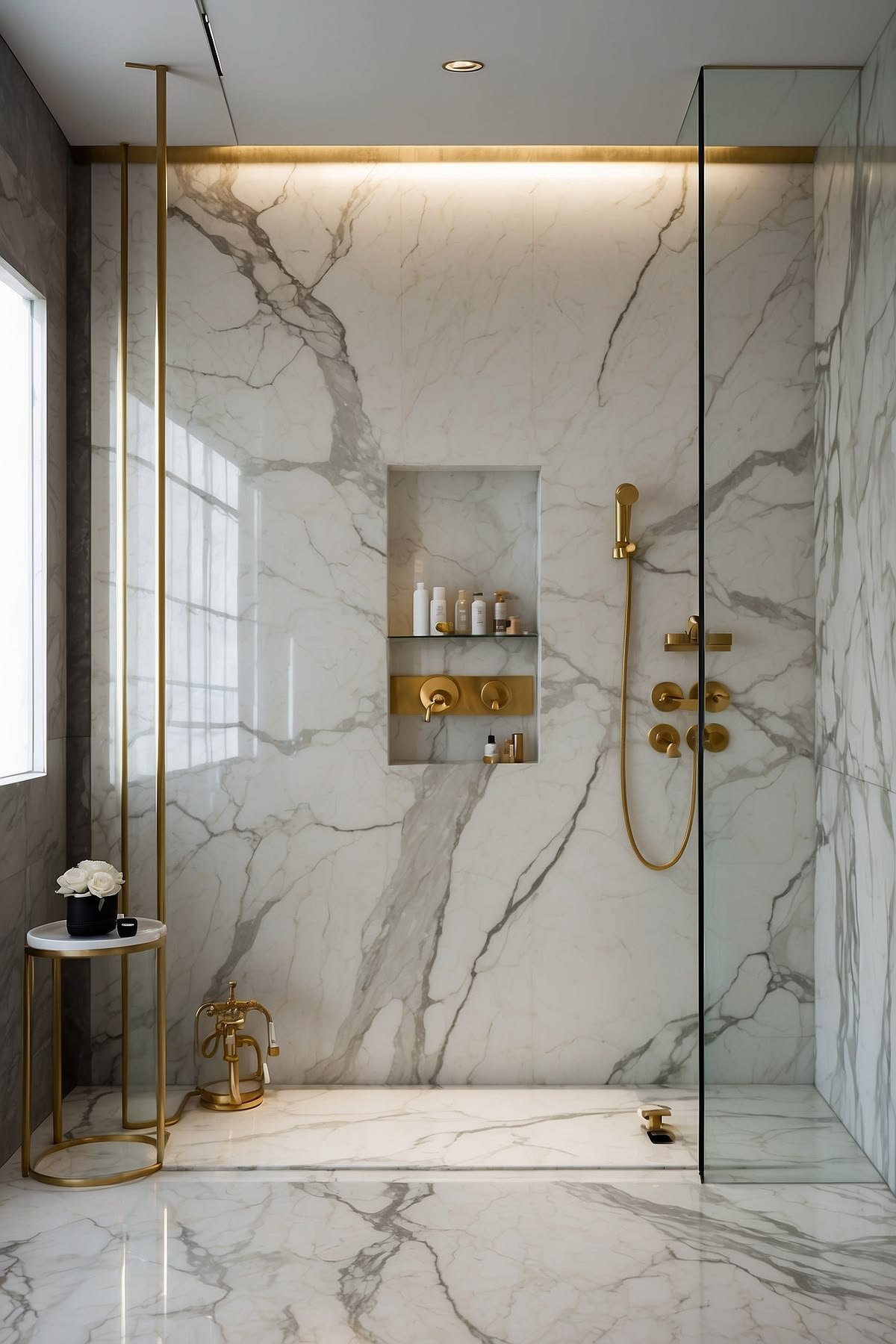
Bathroom
Walk-In Shower vs Bathtub, Which Adds More Home Value?
When you are planning a bathroom renovation, one of the biggest decisions you will face is whether to install a walk-in shower or a bathtub. It is a question that goes beyond personal preference, it touches on home value, resale appeal, daily functionality, budget, accessibility, and even the physical constraints of your space. In 2026, this decision has become more nuanced than ever, with buyer expectations shifting, aging-in-place becoming a mainstream consideration, and design trends evolving rapidly.
This guide breaks down every factor you need to consider, with real cost data, ROI numbers, and practical advice for every bathroom size and situation. By the end, you will have a clear picture of which option makes the most sense for your home.
The Home Value Question
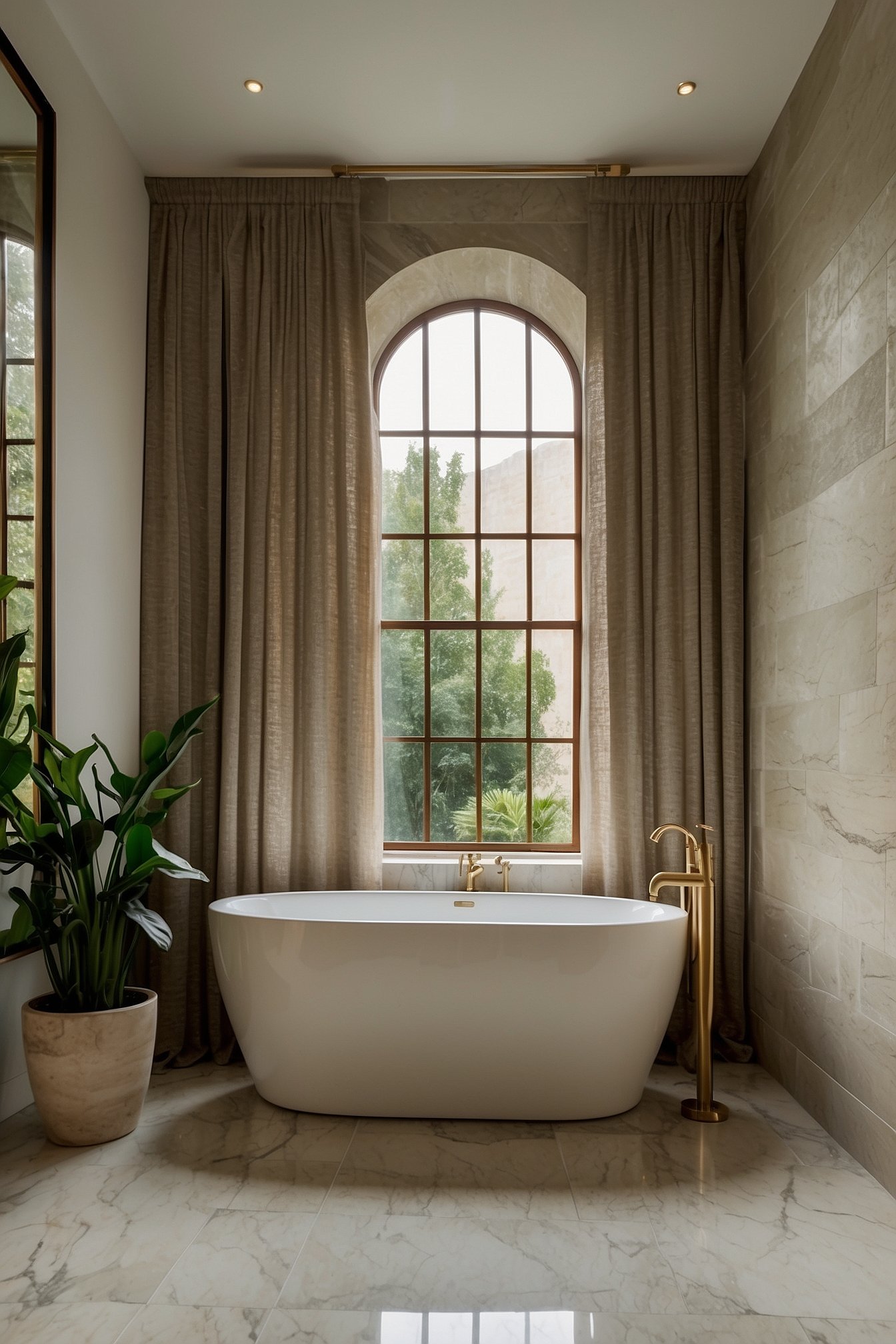
Let us start with the question most people ask first: which adds more value to my home? The answer is not as straightforward as you might expect, because it depends heavily on how many bathrooms you have and which one you are renovating.
The general rule: Your home should have at least one bathtub. Real estate data consistently shows that homes with zero bathtubs can lose 10-15% of their potential resale value, particularly in family-oriented neighborhoods. Buyers with young children consider a bathtub non-negotiable, and many real estate agents actively advise against removing the last bathtub in a home.
However: If your home has two or more full bathrooms, converting one of them to a walk-in shower can actually increase your home's value and appeal. Walk-in showers are now the most requested bathroom feature among home buyers, according to the National Association of Home Builders' 2025 What Home Buyers Really Want report. A well-designed walk-in shower in a primary bathroom, with a bathtub preserved elsewhere in the home, is the ideal configuration for maximizing resale value.
Cost Breakdown: Shower vs Bathtub
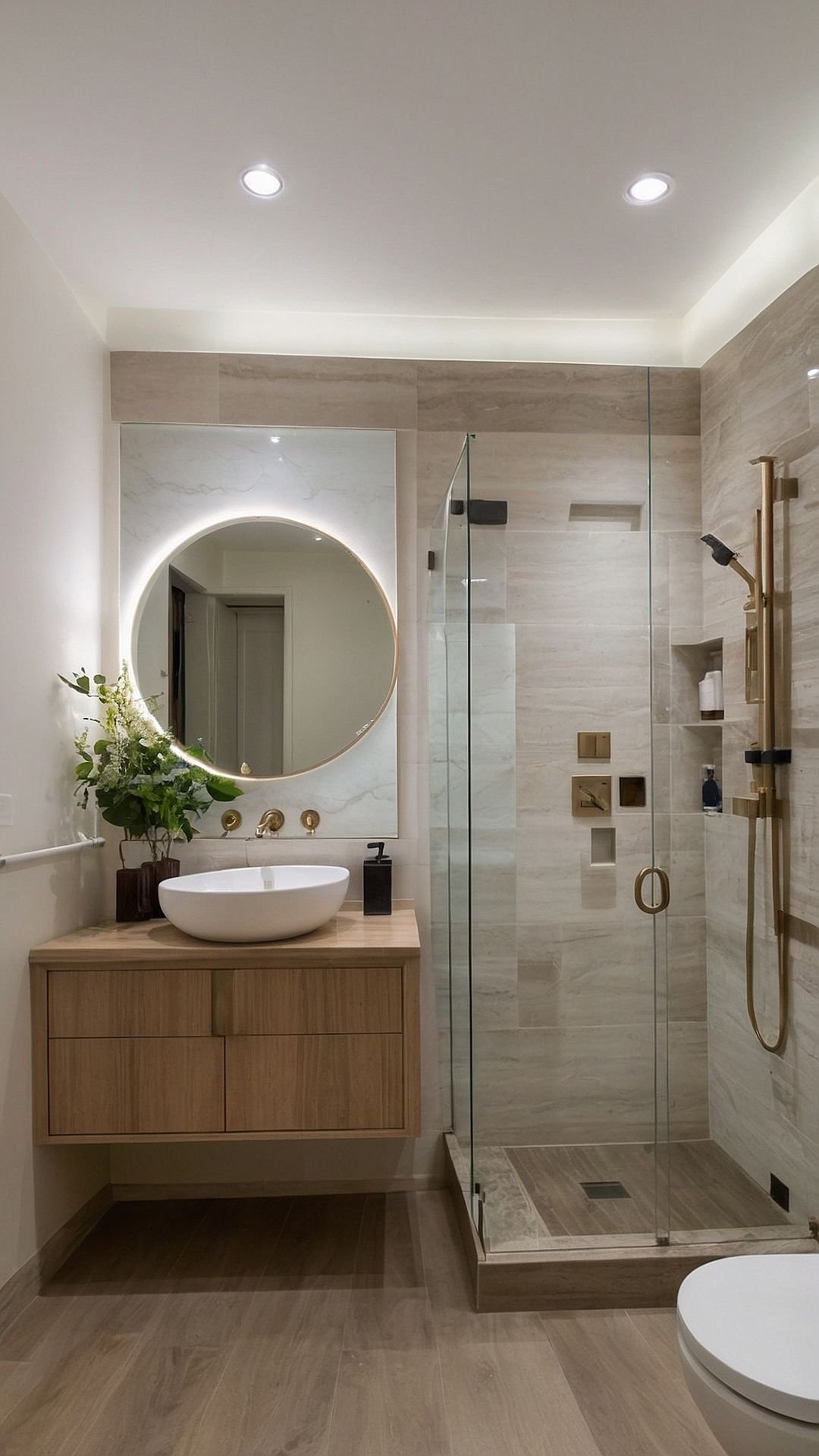
Understanding the real costs involved helps you budget accurately and evaluate the ROI of each option. Here is what you can expect to spend in 2026.
Walk-In Shower Installation Costs
- Budget option (prefabricated shower kit): $1,500, $3,000 installed
- Mid-range (custom tile, glass door): $4,000, $8,000 installed
- High-end (frameless glass, premium tile, rain showerhead, bench): $8,000, $15,000+ installed
- Curbless/barrier-free (ADA-compliant): $5,000, $12,000 installed
Bathtub Installation Costs
- Standard alcove bathtub (replace existing): $1,000, $3,000 installed
- Freestanding soaking tub: $2,000, $6,000 installed
- High-end freestanding (cast iron, stone, designer): $5,000, $15,000+ installed
- Whirlpool/jetted tub: $3,000, $8,000 installed
ROI Comparison
According to Remodeling Magazine's 2025 Cost vs. Value Report, a mid-range bathroom remodel that includes a walk-in shower recoups approximately 67% of its cost at resale. A bathroom remodel that includes a freestanding tub in the primary suite recoups approximately 60-65%. The difference is modest, but walk-in showers consistently edge out bathtubs in ROI, partly because they are perceived as more modern and partly because they appeal to a broader range of buyers, including aging homeowners and accessibility-conscious purchasers.
Space Requirements
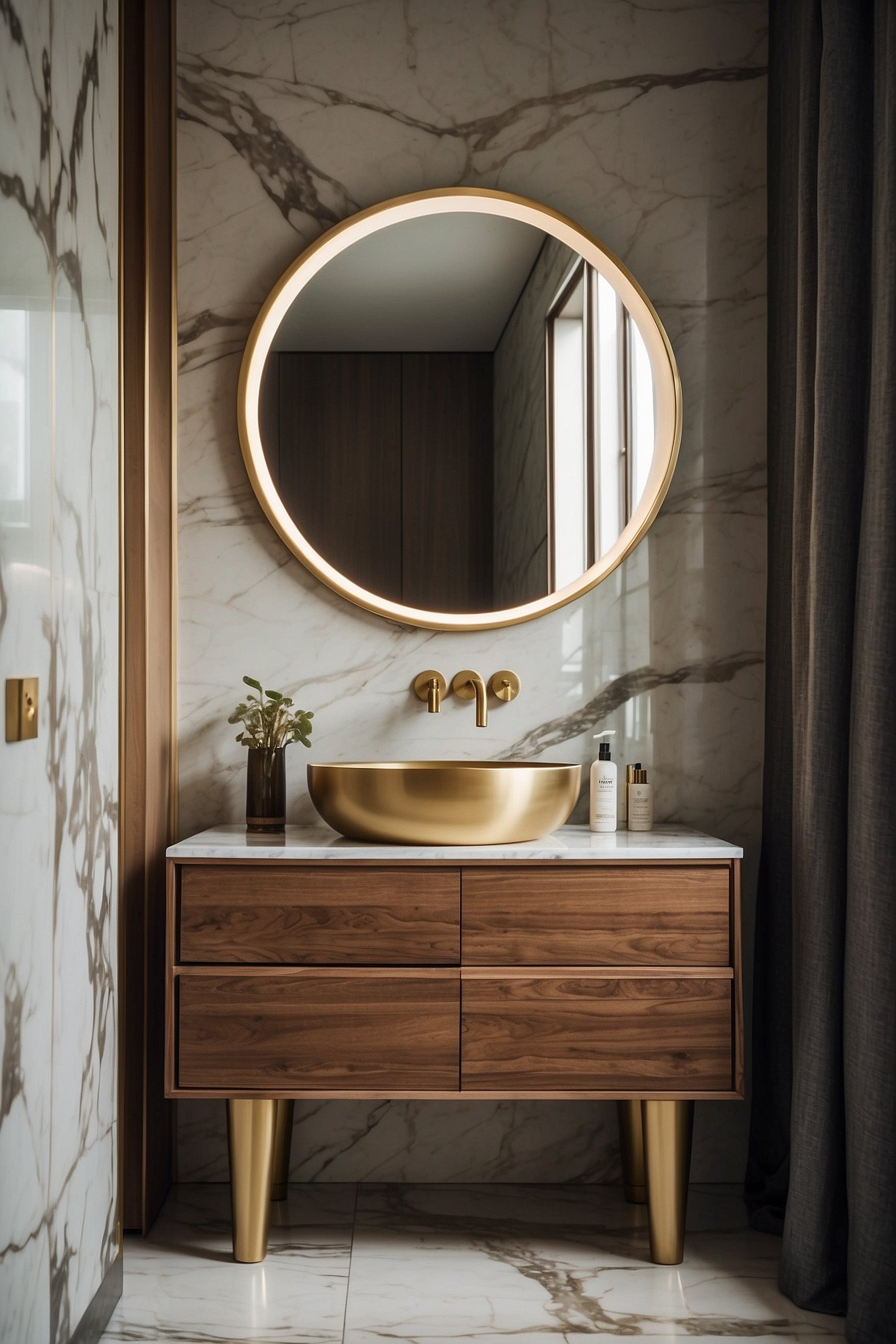
Physical space is often the deciding factor, especially in older homes with smaller bathrooms.
Walk-in shower minimum footprint: 36" x 36" (9 square feet). For comfort, 48" x 36" (12 square feet) or larger is recommended. A curbless shower can visually expand a small bathroom by eliminating the visual barrier of a shower pan or curb.
Standard bathtub footprint: 60" x 30" (12.5 square feet) for an alcove tub. Freestanding tubs require additional clearance on all sides, plan for roughly 20-25 square feet of dedicated floor space including the approach area.
In bathrooms under 40 square feet, a walk-in shower almost always makes more sense. It opens up floor space, makes the room feel larger, and eliminates the awkward tight squeeze that happens when a full-size tub dominates a small bathroom.
For bathrooms between 40 and 60 square feet, either option can work, but the choice depends on layout. A corner walk-in shower with a glass enclosure can be very space-efficient.
In bathrooms over 60 square feet, you may be able to have both, which is the most valuable configuration from a resale perspective. A freestanding tub paired with a separate walk-in shower is consistently the most desirable primary bathroom layout in the current market.
Accessibility and Aging in Place
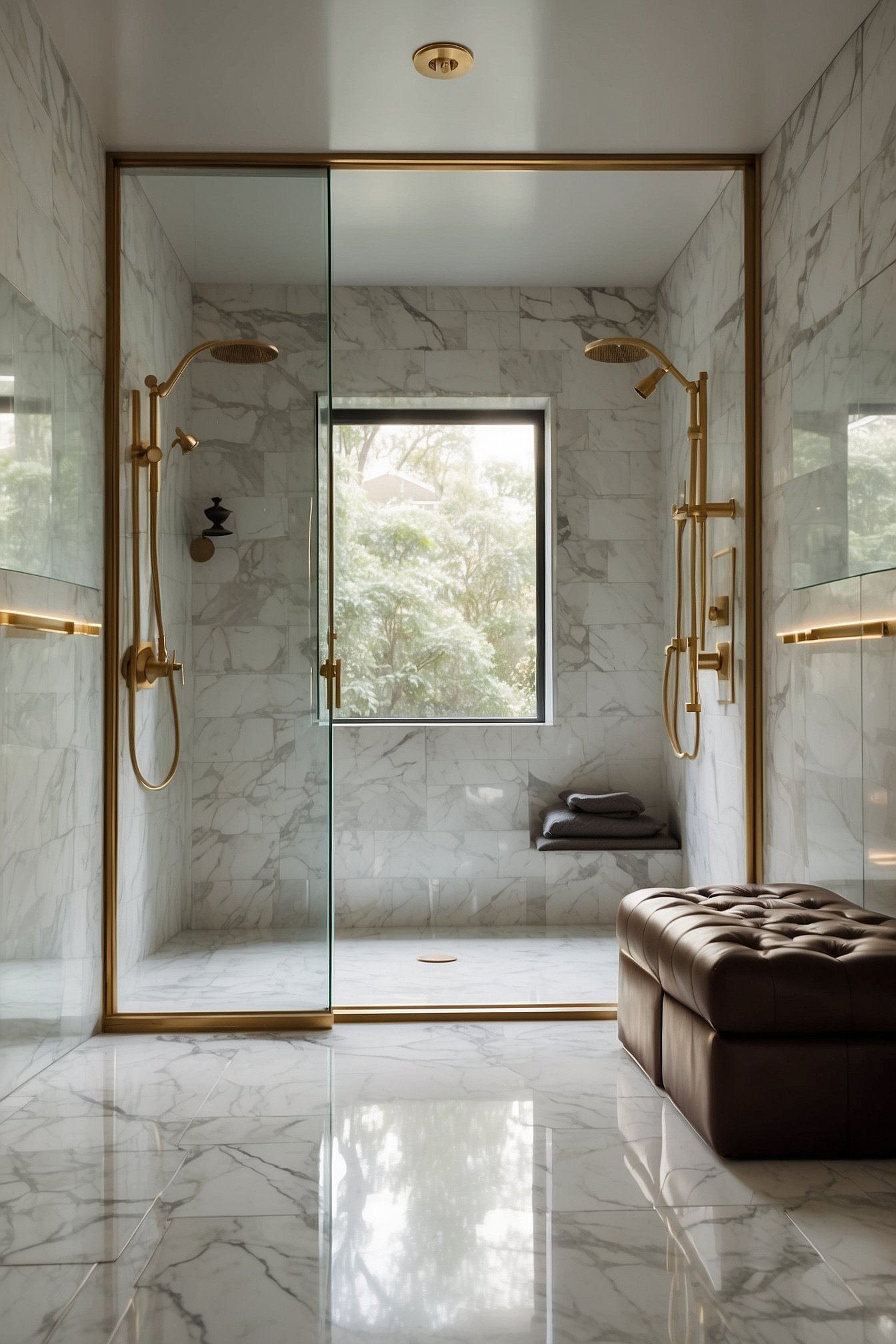
This is an increasingly important factor. The population is aging, and even younger homeowners are thinking about long-term livability. Walk-in showers are significantly more accessible than bathtubs for people with mobility limitations, injuries, or balance concerns.
A curbless (zero-threshold) walk-in shower is the gold standard for accessibility. It allows wheelchair access, eliminates the tripping hazard of a tub or shower curb, and can be outfitted with a built-in bench and grab bars that feel integrated rather than institutional.
The Moen Grab Bar with Shelf 16-Inch is a smart addition to any walk-in shower. It provides a secure grip while doubling as a shelf for shampoo and soap. The dual-purpose design means it looks intentional rather than medical, which is important for maintaining the aesthetic quality of your bathroom.
Bathtubs, on the other hand, require stepping over a wall that is typically 14-16 inches high, a significant barrier for anyone with limited mobility. Walk-in bathtubs exist, but they are expensive ($3,000-$10,000), they take a long time to fill and drain (you have to sit inside the tub while it fills because the door cannot open once the water starts), and they have mixed reviews for practical daily use.
Maintenance and Longevity
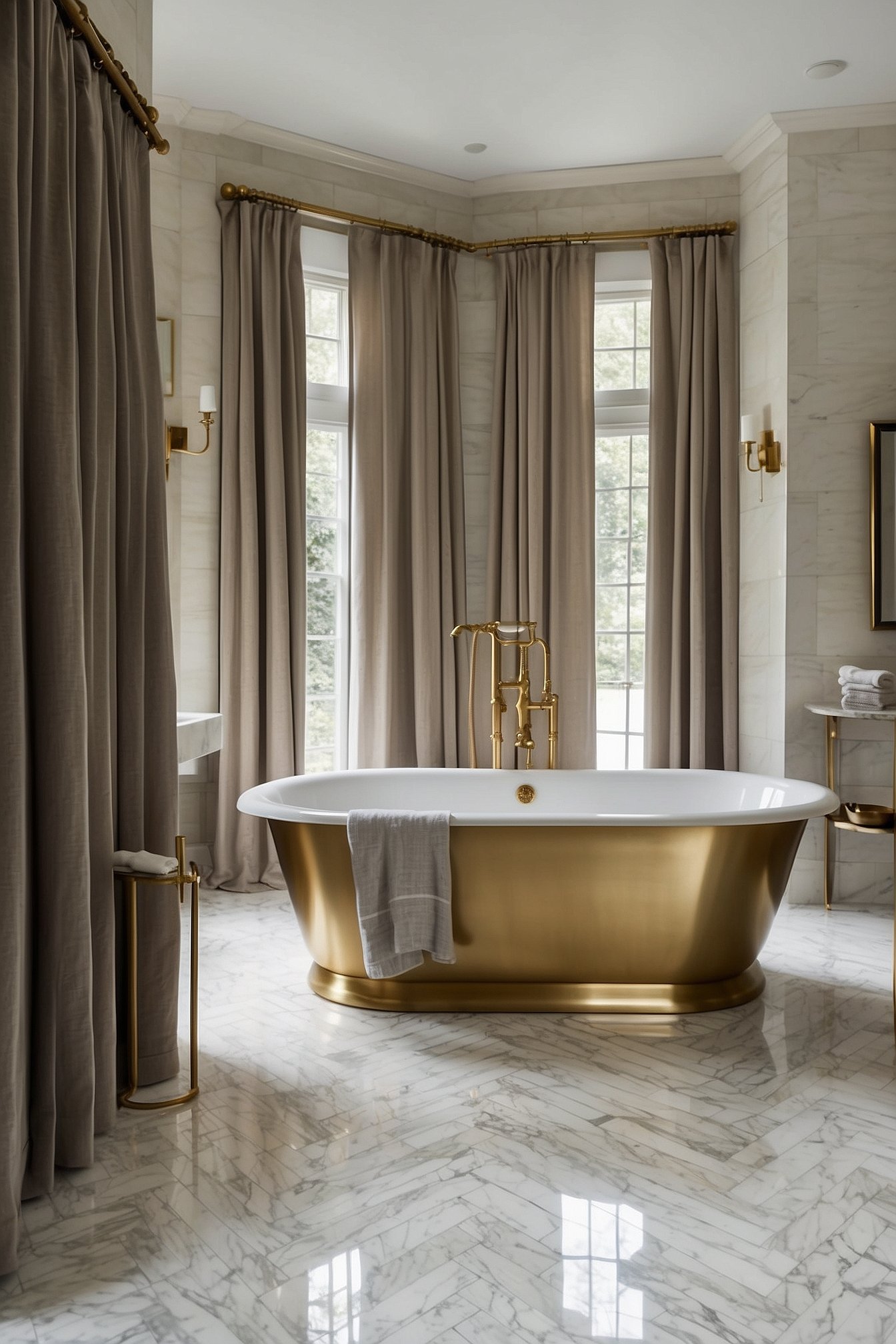
How much ongoing effort are you willing to invest? This matters more than most people realize at the decision stage.
Walk-in showers: Tile showers require periodic grout resealing (every 1-2 years) and regular cleaning to prevent mildew in grout lines. Frameless glass doors need squeegee-ing after each use to prevent water spots and mineral buildup. The upside is that a well-maintained tile shower can last 20-30 years without major intervention.
Bathtubs: Acrylic and fiberglass tubs are low maintenance but can scratch and discolor over time. Porcelain-over-steel tubs are durable but can chip. Cast iron tubs are nearly indestructible. Jetted tubs require regular cleaning of the jet system to prevent bacteria buildup, this is the most maintenance-intensive option. Caulk around any tub needs replacing every 1-3 years to prevent water damage.
For shower maintenance, the Drill Brush Power Scrubber Kit is a game-changer. It attaches to any standard drill and makes cleaning tile, grout, and glass dramatically faster and more effective than manual scrubbing. The kit includes different brush stiffnesses for different surfaces.
Water Usage and Utility Costs
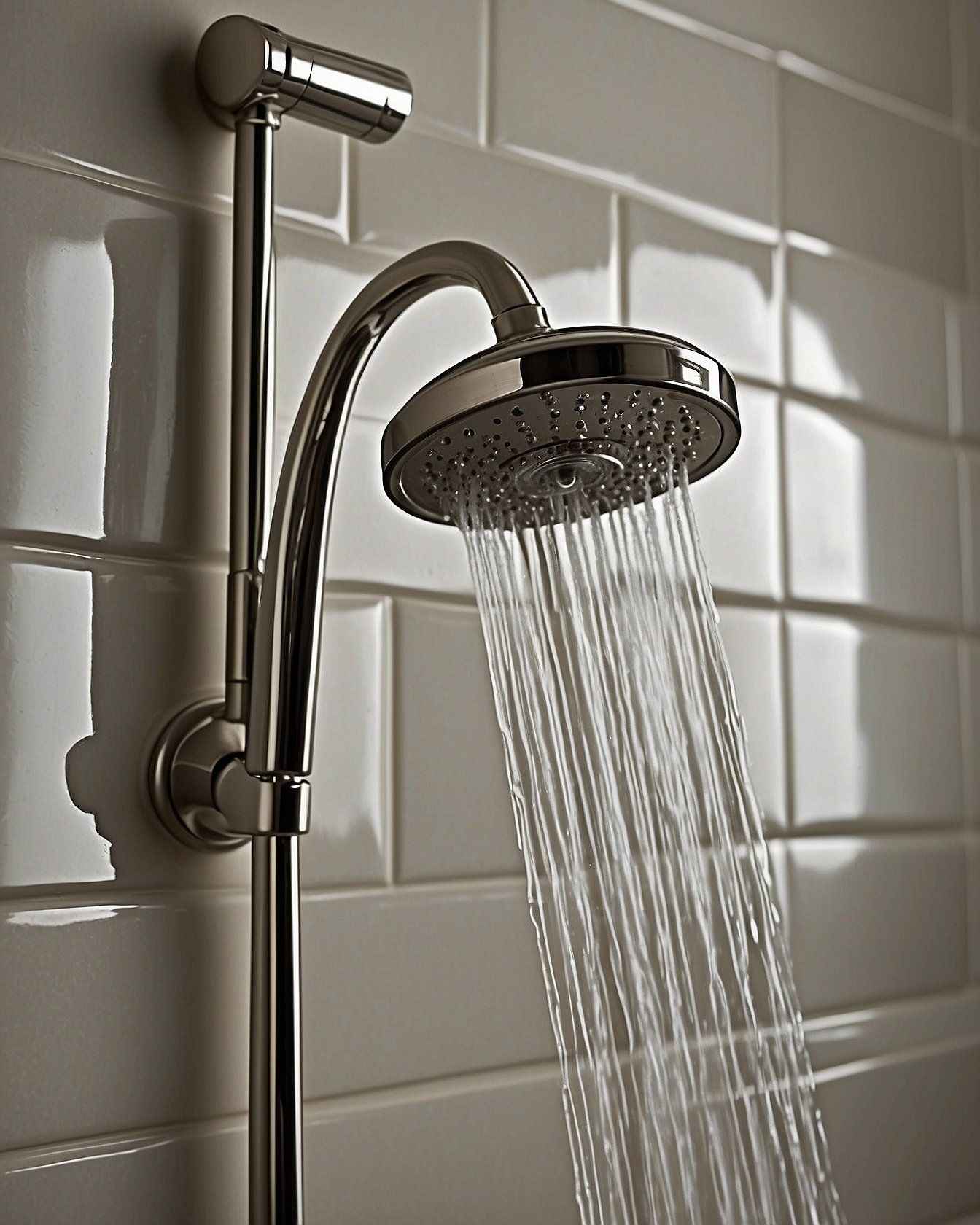
If sustainability or utility bills factor into your decision, the numbers clearly favor showers, but only if you keep them short.
An average 8-minute shower uses approximately 16-20 gallons of water. A standard bathtub holds 36-50 gallons. So a typical shower uses roughly half the water of a bath. Over a year, for a household of two people showering daily, that difference adds up to roughly 6,000-10,000 gallons of water saved annually, and the associated savings in water heating costs.
Low-flow showerheads can reduce shower water usage by an additional 25-40% without a noticeable drop in water pressure. The High Sierra All Metal 1.5 GPM Showerhead is one of the best-reviewed low-flow options available. It uses a patented nozzle design that creates a full, strong spray at just 1.5 gallons per minute, half the flow rate of standard showerheads.
The Case for a Walk-In Shower
Choose a walk-in shower if:
- Your home has another bathroom with a bathtub
- You rarely or never take baths
- Your bathroom is under 50 square feet
- Accessibility is a concern now or in the future
- You want a modern, spa-like aesthetic
- You are renovating a primary suite bathroom
- You want lower water usage and utility costs
The Case for a Bathtub
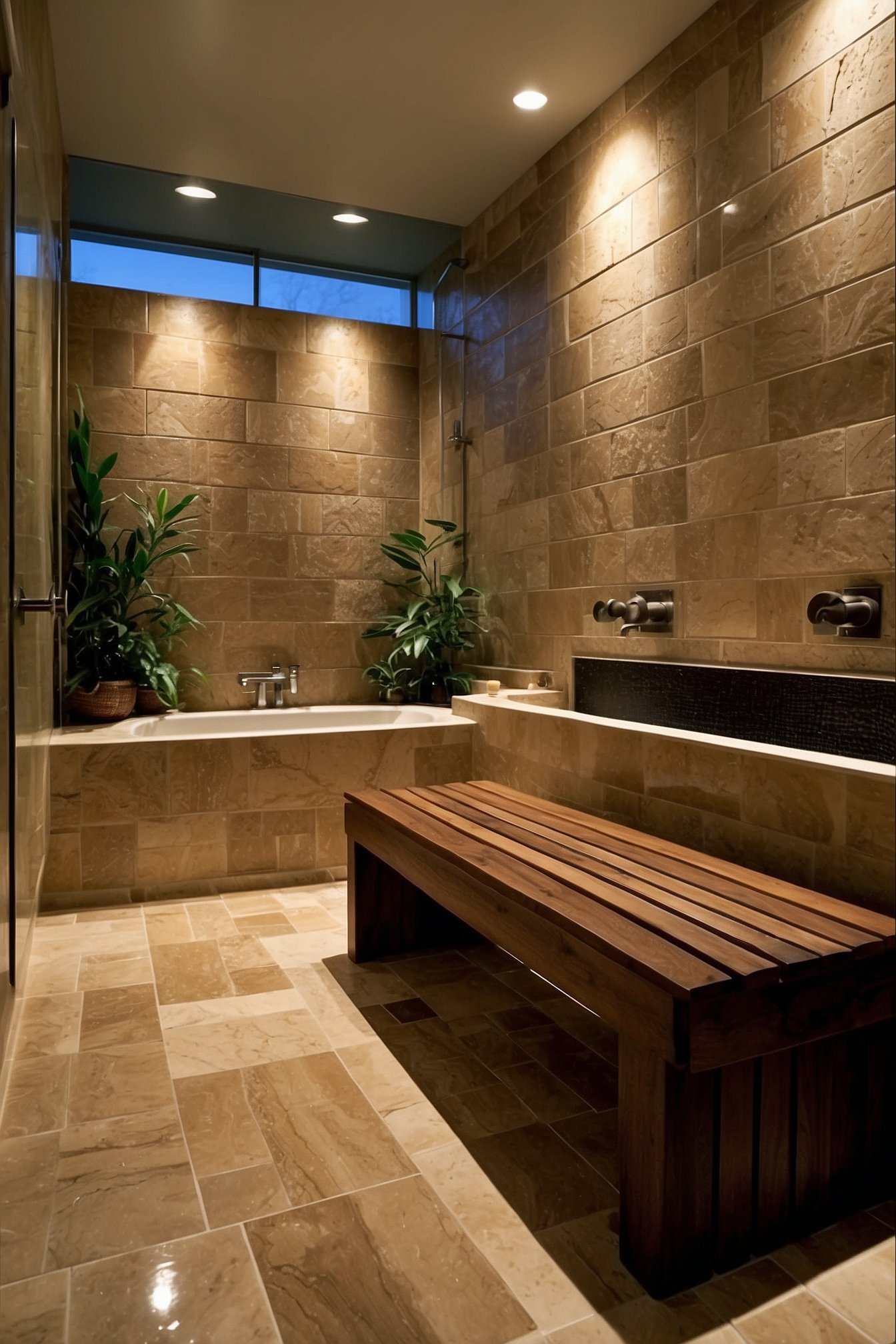
Choose a bathtub if:
- This is the only bathroom in your home
- You have young children or plan to
- You genuinely enjoy baths as part of your routine
- You are renovating a hall or guest bathroom
- Resale value is your primary concern and you have no other tub
- Your bathroom is large enough for a freestanding tub as a design focal point
Which Option for Different Bathroom Sizes
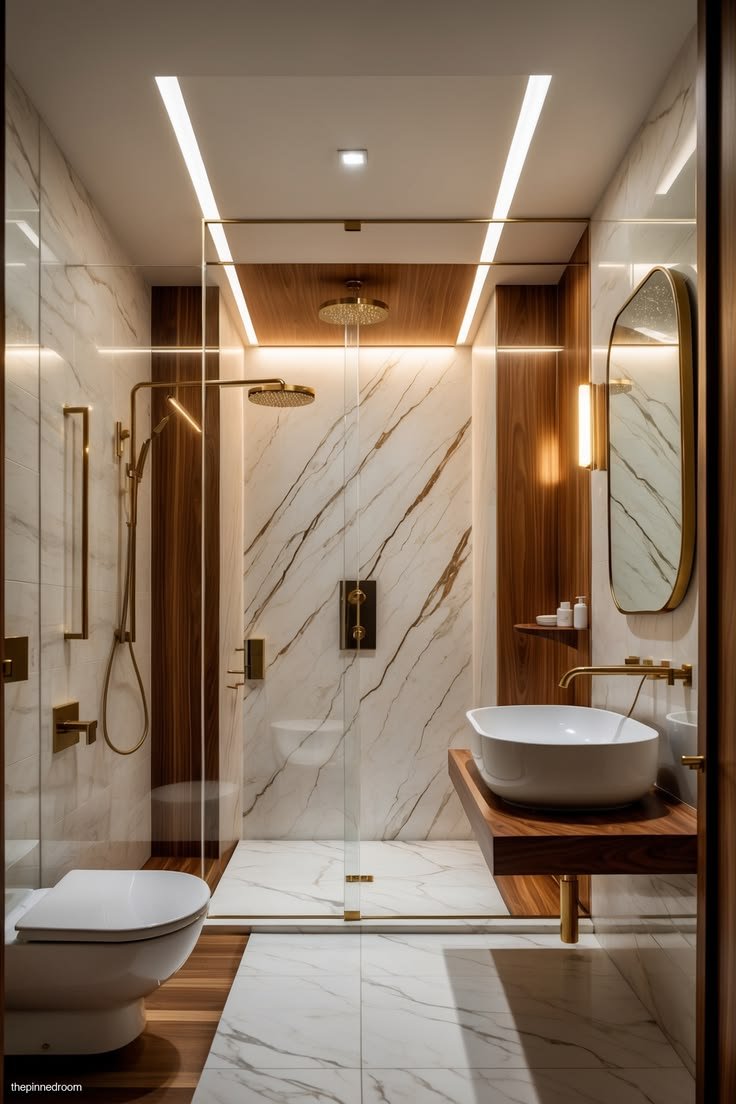
Small bathroom (under 40 sq ft): Walk-in shower is almost always the better choice. A curbless design with clear glass makes the space feel much larger. Skip the bathtub, it will make the room feel cramped and difficult to use.
Medium bathroom (40-60 sq ft): Either option works. If this is your only bathroom, a shower-tub combo preserves both functions. If you have another tub elsewhere, a walk-in shower with a frameless glass enclosure will make the room feel more spacious and modern.
Large bathroom (60+ sq ft): Consider both. A freestanding tub paired with a separate walk-in shower is the most desirable configuration for resale and daily use. If you must choose one, base it on how you actually live, daily showerers should prioritize the shower experience.
Smart Upgrades for Either Option
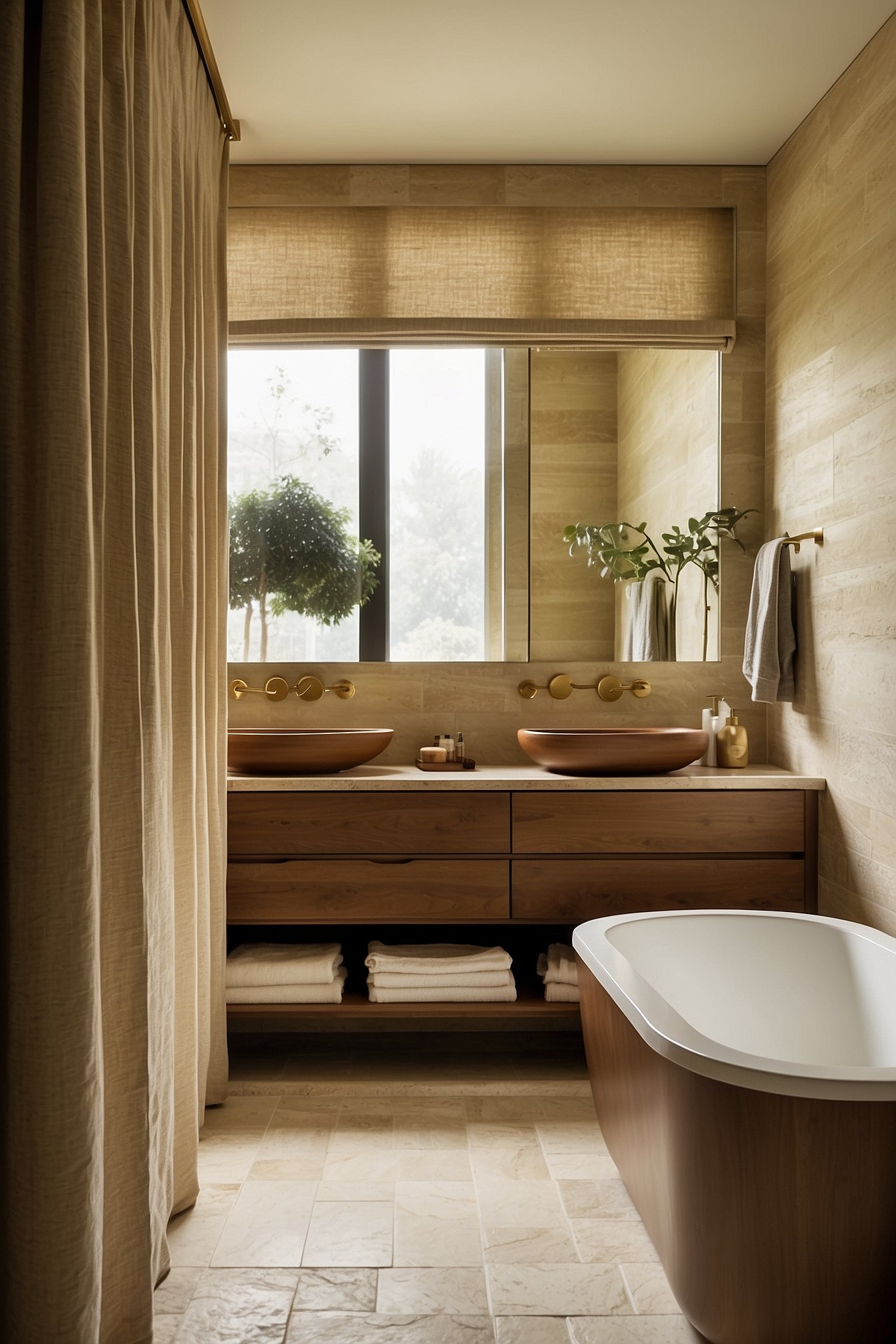
Regardless of whether you go with a shower or a tub, a few smart additions can elevate the experience and make your bathroom feel more current.
The SwitchBot Thermometer & Hygrometer is a small but useful addition to any bathroom. It tracks temperature and humidity levels in real time and sends alerts to your phone. In a bathroom, this is genuinely practical, you can monitor humidity levels to know when ventilation is inadequate (which leads to mold and paint damage over time). It pairs with other SwitchBot products to create automated responses, like triggering an exhaust fan when humidity exceeds a set threshold.
For bathroom furniture and storage that complements either a shower-focused or tub-focused layout, the Sicotas Evergreen Collection offers vanities and storage cabinets with clean, modern lines and warm wood tones. Their pieces are designed to maximize storage in bathrooms of all sizes, and the quality-to-price ratio is consistently strong. If you are renovating, new furniture alongside a new shower or tub makes the entire room feel cohesive rather than piecemeal.
The Bottom Line
There is no universally correct answer to the shower-versus-bathtub question. The best choice depends on your home's bathroom count, your bathroom size, your household's actual habits, your budget, and your timeline for potentially selling. What the data consistently shows is this: a well-designed walk-in shower in the primary bathroom, with at least one bathtub preserved elsewhere in the home, is the configuration that maximizes both daily quality of life and long-term home value. If you are forced to choose one, choose the option that aligns with how you actually use the space every day, because you will live with this decision far longer than any future buyer will.
◉ Complete Shopping List
Everything in this guide.
Swipe or tap the arrows to browse. Tap any product to view current pricing.