
Smart Home
Best Smart Thermostats 2026: 7 Minimal Designs For Modern Homes
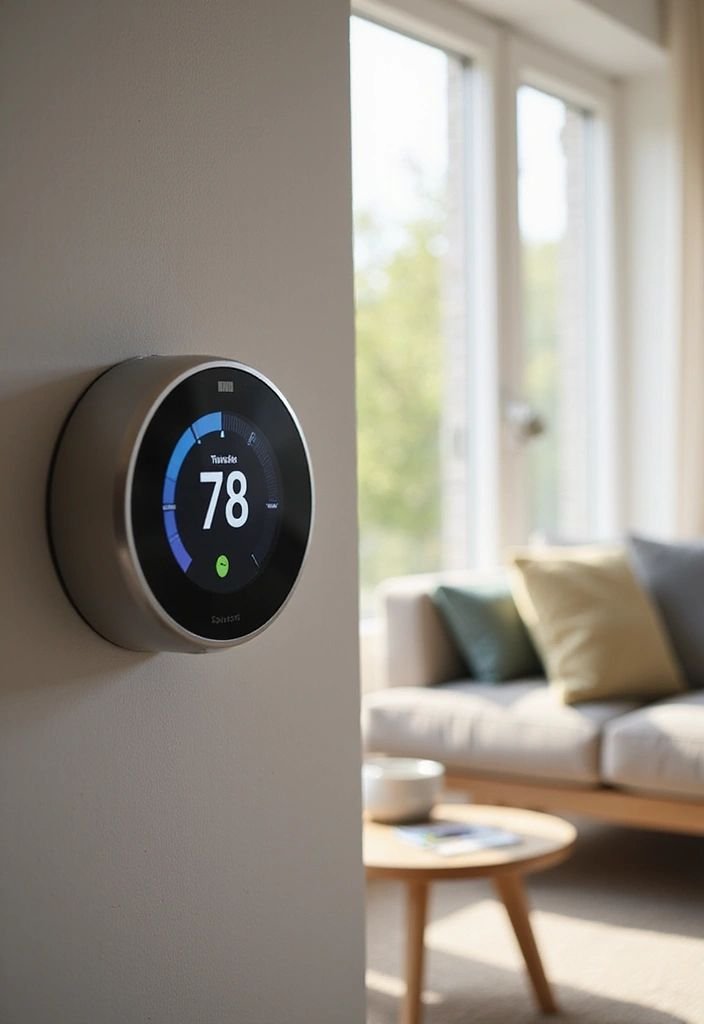
Smart thermostats have evolved from chunky utility devices to sleek design objects that belong on the wall of a modern home. In 2026, the best smart thermostats combine meaningful energy savings, precise temperature control, and minimal aesthetics that disappear into warm neutral interiors rather than fighting them. This is the upgrade that pays for itself in energy bill savings within a year or two, then keeps saving money every month after that.
The US Department of Energy estimates that smart thermostats save the average household 8 to 15 percent on heating and cooling costs annually, which translates to $100 to $300 per year for most homes. Over five years, that is real money. More importantly, modern smart thermostats integrate with voice assistants and other smart home devices to create routines that improve daily comfort. This guide walks through the seven best smart thermostats of 2026, comparing features, design, pricing, and which home types each suits best.
1. Ecobee Smart Thermostat Premium
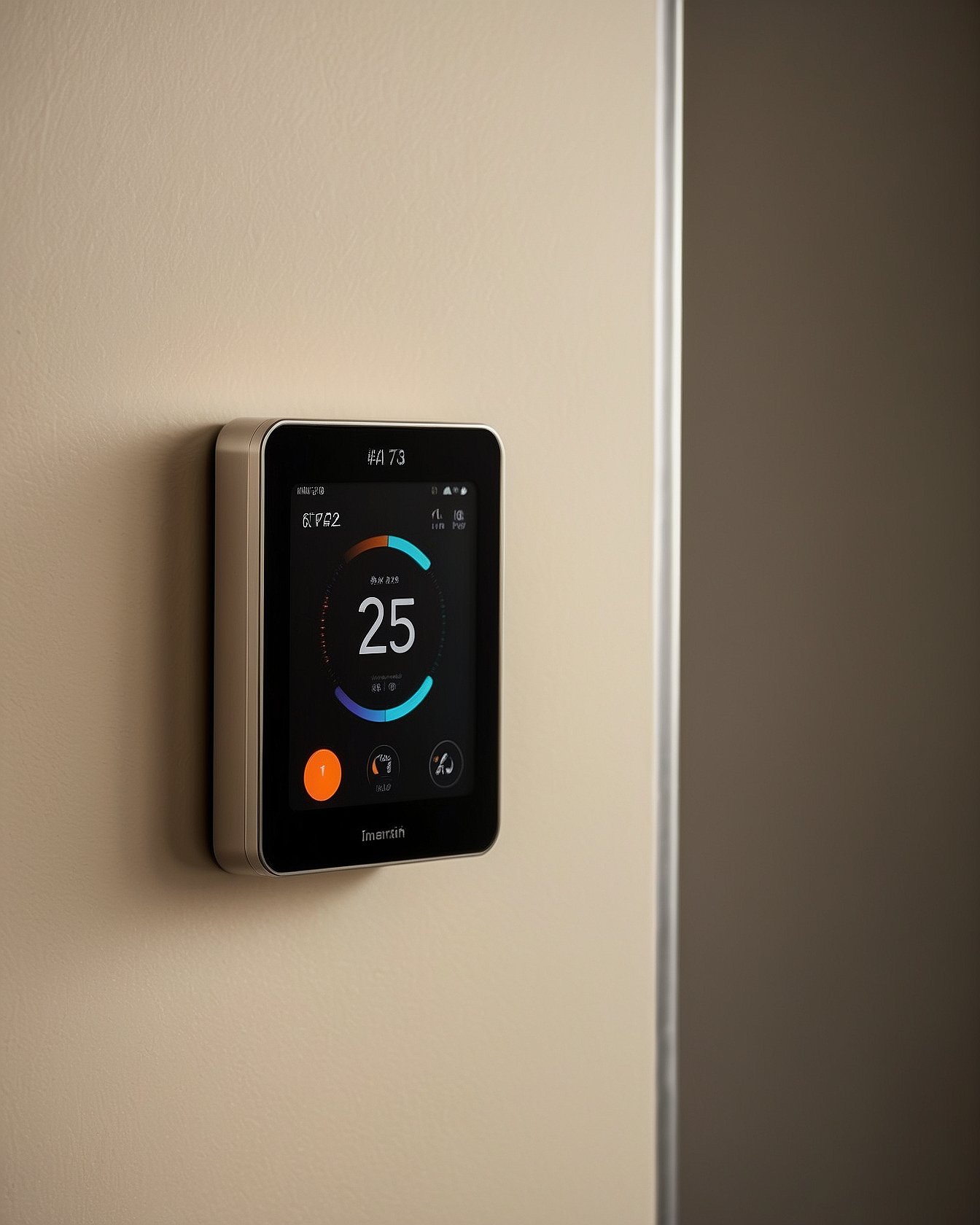
The Ecobee Smart Thermostat Premium is the best overall smart thermostat for most homes in 2026. Its calibrated HD display looks like a piece of modern art on the wall, glass front, minimal bezels, and a matte black finish that works with every style from warm farmhouse to modern minimalist. The Premium version includes built-in Alexa voice control, remote sensors for multi-room temperature averaging, and air quality monitoring.
Best for: Most homes. Works with virtually all HVAC systems.
Price: $230 to $260
Key features: Alexa built-in, remote sensors (1 included), air quality monitoring, geofencing, Apple HomeKit, Google Home, and SmartThings compatible.
2. Google Nest Learning Thermostat (4th Gen)
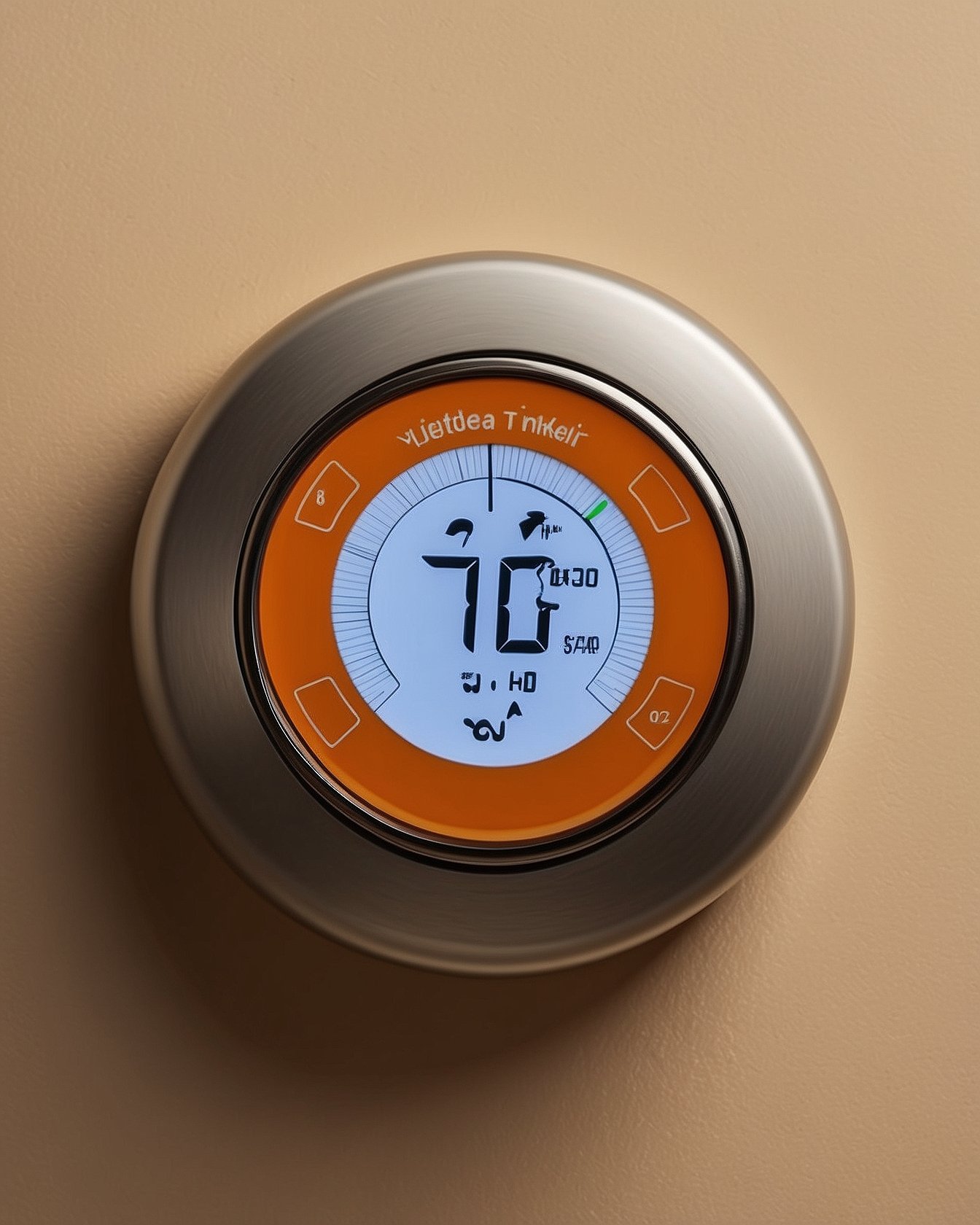
The Nest Learning Thermostat remains one of the most iconic smart thermostats ever designed. The circular brushed metal dial feels substantial and looks beautiful in every setting. The fourth generation adds Matter support, improved learning algorithms, and better integration with the broader Google Home ecosystem. If your home runs on Google Assistant, this is the natural choice.
Best for: Google Home households, design-conscious homeowners.
Price: $250 to $280
Key features: Learns your schedule automatically, Matter and Thread support, farsight auto-display, works with most 24V HVAC systems.
Design note: Available in stainless steel, brass, polished steel, and black mirror finishes. The brass finish is particularly beautiful in warm neutral interiors.
3. Honeywell Home T9 Smart Thermostat
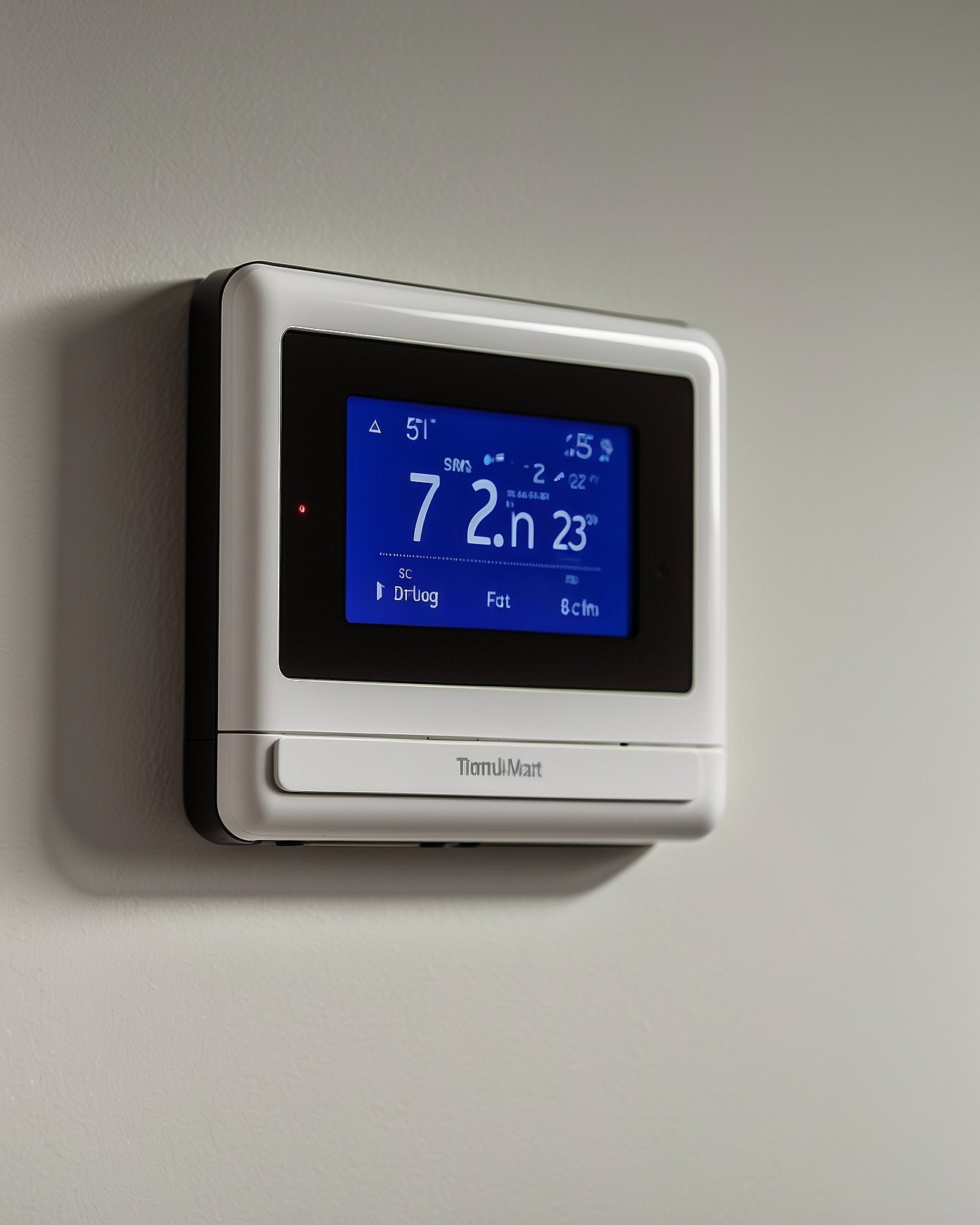
The Honeywell Home T9 is the best mid-range smart thermostat for homes that want premium features without the premium price tag. The simple rectangular display in matte black integrates cleanly into any wall without drawing too much attention. The Smart Room Sensor option is particularly valuable for two-story homes or houses with rooms that run hotter or colder than the thermostat location.
Best for: Budget-conscious homeowners, multi-zone homes.
Price: $170 to $210
Key features: Smart room sensors included, geofencing, works with Alexa, Google Home, and Apple HomeKit, 7-day programming.
4. Amazon Smart Thermostat
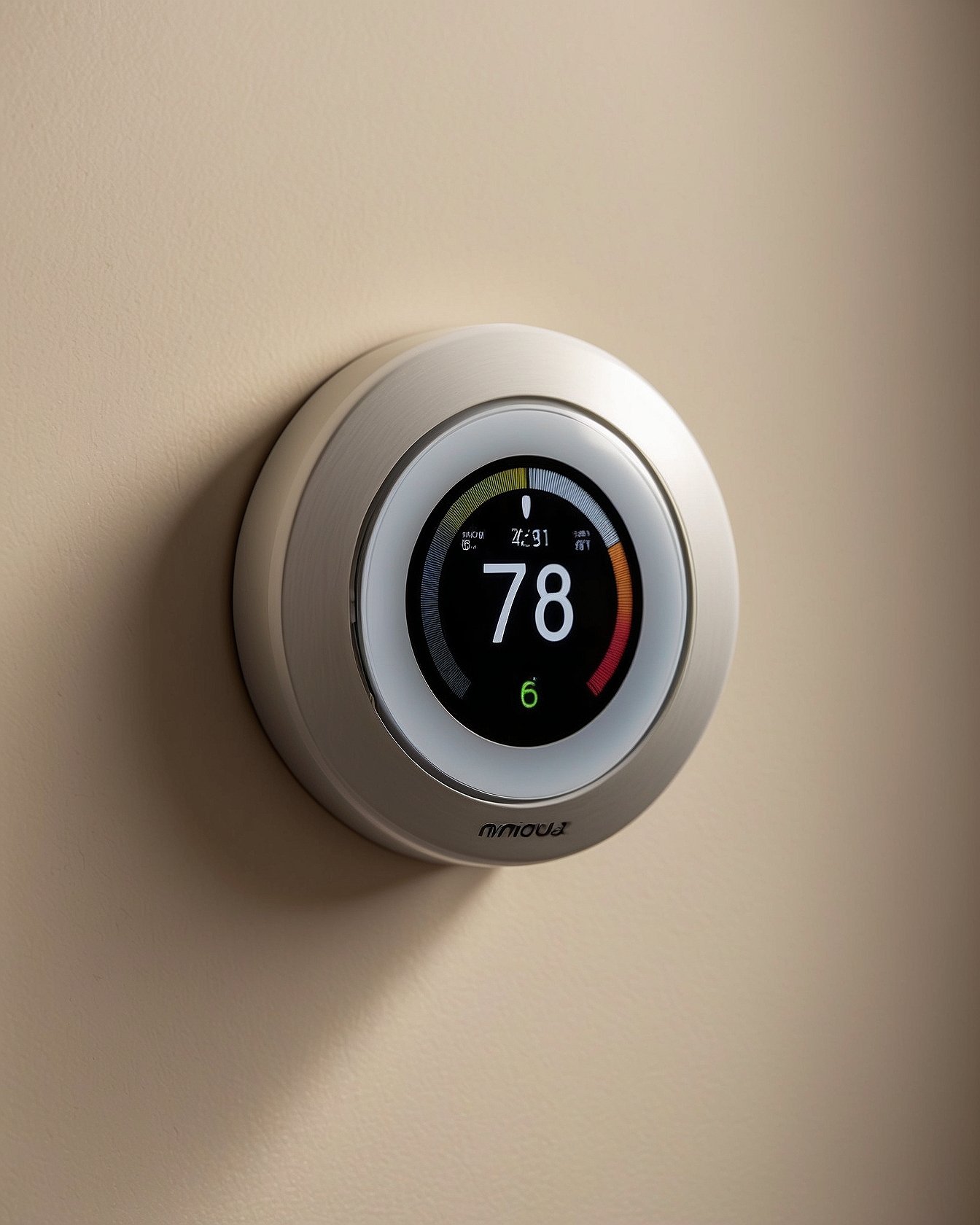
Amazon launched the Amazon Smart Thermostat as the budget smart thermostat everyone should consider first. At under $90, it is significantly cheaper than the premium options, works with most US HVAC systems, and integrates seamlessly with Alexa. The design is simple and minimal, which is either a feature or a limitation depending on your taste. It will not be a design focal point, but it also will not clash with any interior style.
Best for: First-time smart thermostat buyers, Alexa users, rentals.
Price: $80 to $110
Key features: Works with Alexa, simple LED display, energy savings suggestions, 24-hour schedule.
Limitation: No built-in screen for manual programming, requires the Alexa app. No support for heat pumps without auxiliary heat.
5. Mysa Smart Thermostat (For Electric Heating)
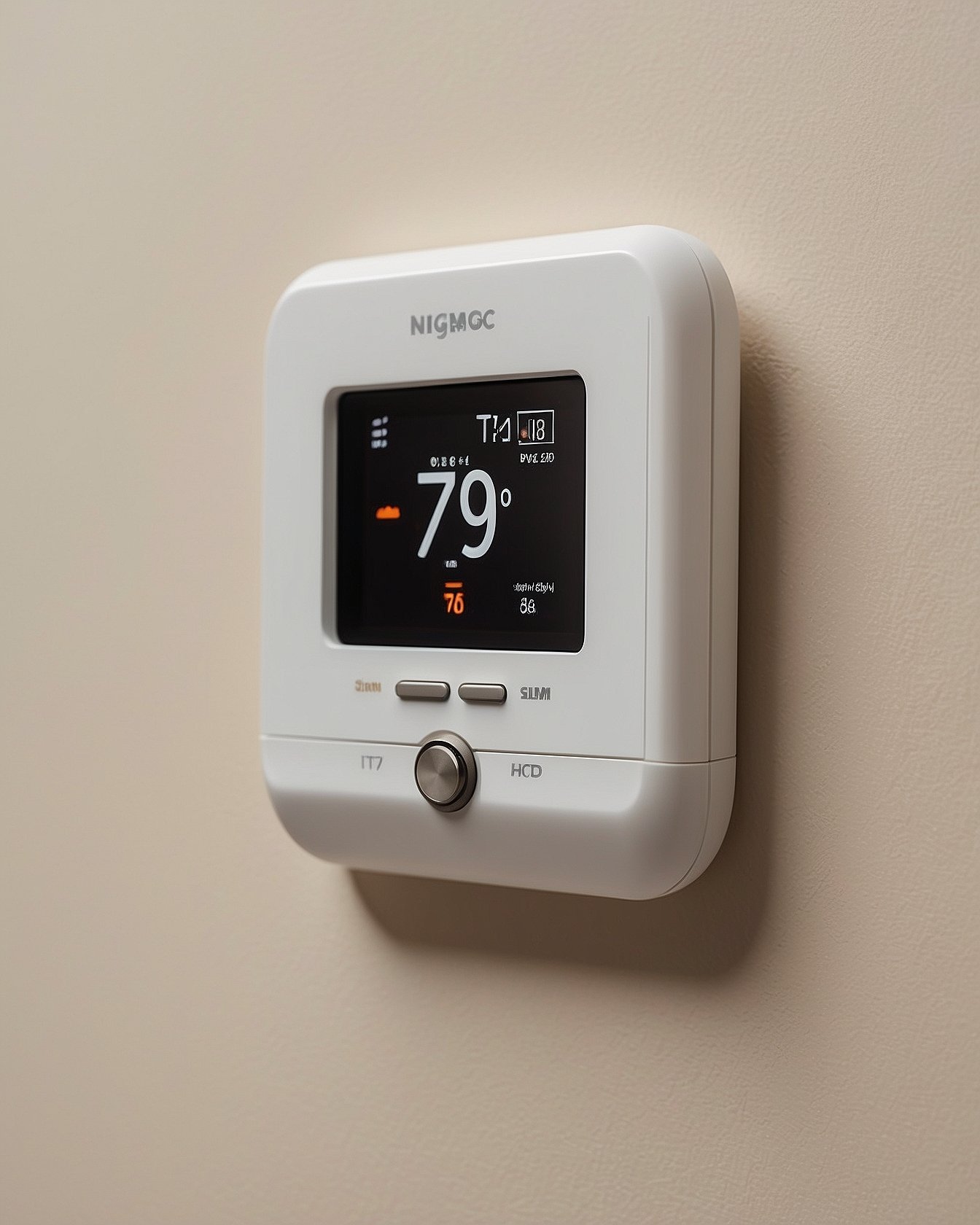
If your home uses electric baseboard heating, radiators, or in-floor heating, the standard smart thermostats will not work. Mysa is the best smart thermostat designed specifically for electric heating systems. The sleek white design with a tap-responsive screen is among the most modern-looking smart thermostats available. Perfect for homes with baseboard heating that has historically been a limitation for smart home integration.
Best for: Electric baseboard, radiant, or in-floor heating systems.
Price: $130 to $170
Key features: Works with Alexa, Google, Apple HomeKit. Designed specifically for 240V electric heating systems.
6. Sensibo Sky (For Mini-Split And Window AC)
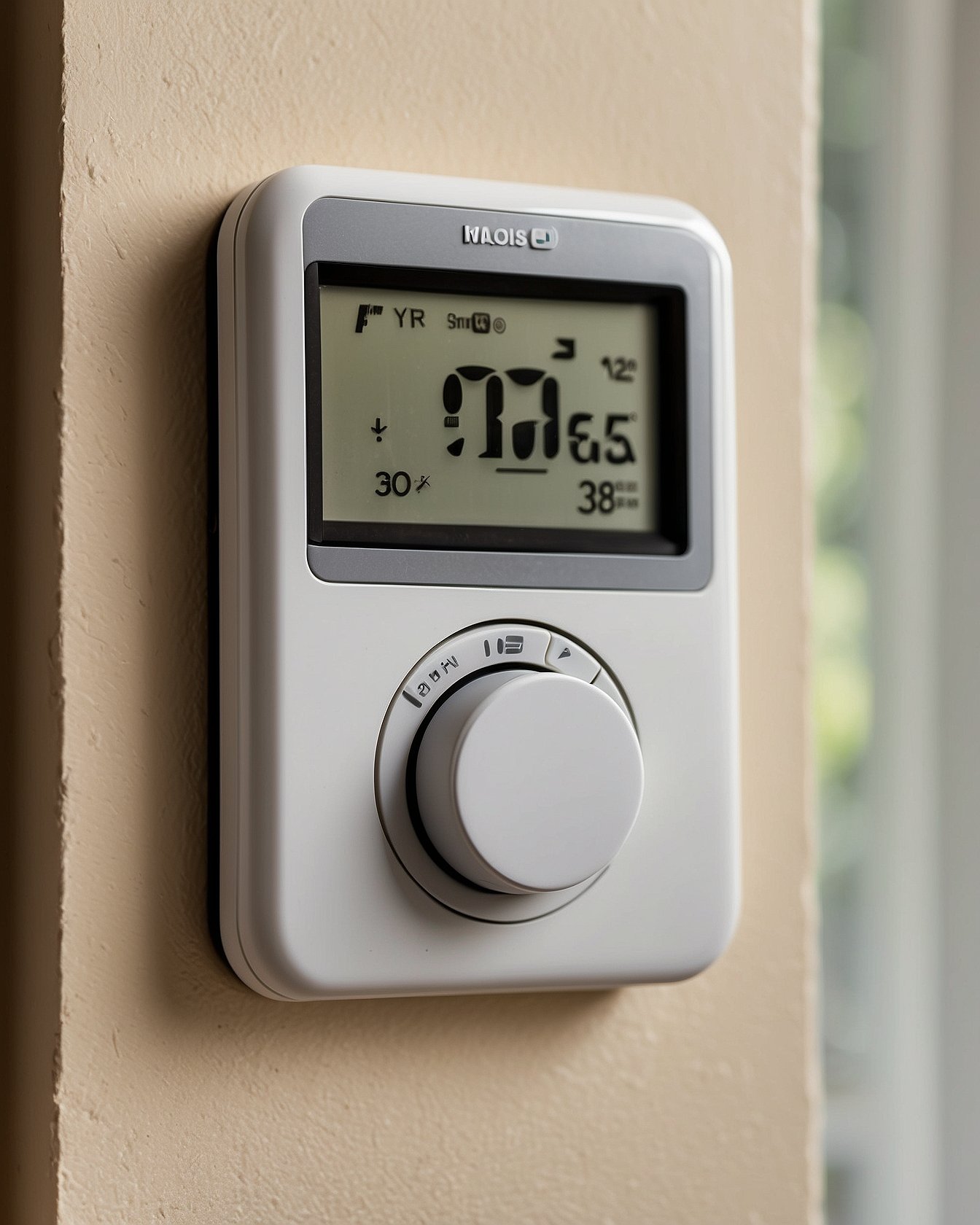
For apartments with mini-split systems or window air conditioners that have remote controls, the Sensibo Sky is the unique solution. It turns any AC unit with a remote into a smart AC by learning the remote codes and controlling the unit through WiFi. This is the only way to add smart thermostat functionality to many apartments without replacing the AC unit. The small disc design mounts discreetly and does not interrupt the room aesthetic.
Best for: Apartments, rentals, mini-split systems, window AC units.
Price: $130 to $160
Key features: Works with any AC remote, geofencing, climate reactions, Alexa and Google compatible.
7. Wyze Thermostat
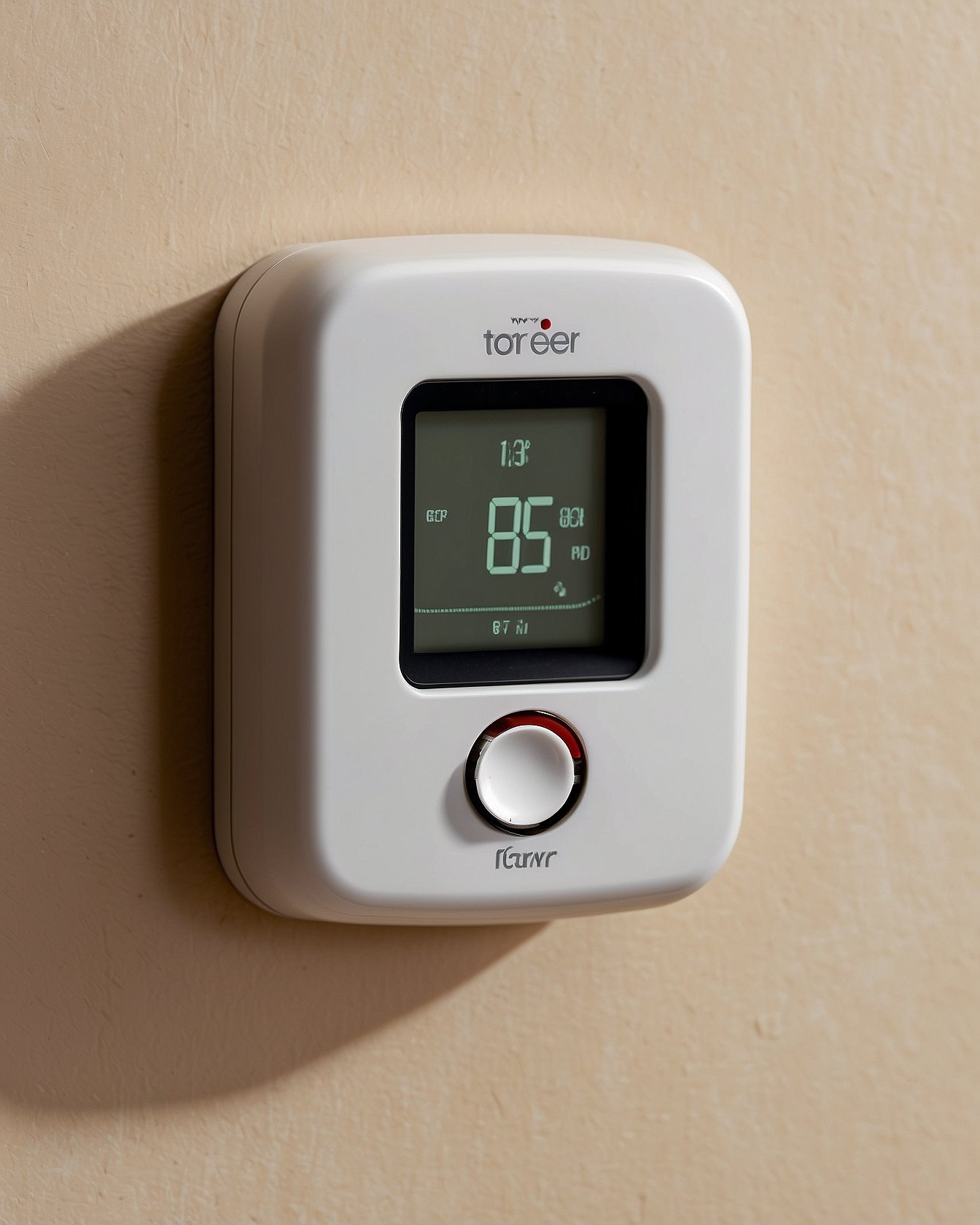
Wyze Thermostat is the true budget champion. At under $50, it is less than half the price of any other smart thermostat and still delivers the core functionality most homeowners actually use. The design is simple and minimal, and the Wyze app provides decent scheduling and automation. Sacrifices include no Apple HomeKit support and no remote sensors.
Best for: Extreme budget, first-time smart thermostat buyers.
Price: $45 to $65
Key features: Alexa and Google Assistant, simple scheduling, energy usage tracking.
Limitations: No Apple HomeKit, no remote sensors, Wyze app sometimes glitches.
How To Choose The Right Smart Thermostat
The right smart thermostat depends on three things: your HVAC system type, your smart home ecosystem, and your budget.
HVAC system: Most modern smart thermostats work with standard central heating and cooling systems (24V). For electric baseboard, radiant, or mini-split systems, you need a specialized thermostat like Mysa or Sensibo. Always verify HVAC compatibility before purchasing.
Smart home ecosystem: If you already have Amazon Echo devices, any Alexa-compatible thermostat works well. Google Home households should consider the Nest Learning Thermostat for deepest integration. Apple HomeKit users have fewer options, Ecobee and Honeywell T9 are the strongest HomeKit-compatible choices.
Budget: Premium thermostats ($200+) offer the best design, features, and multi-room sensors. Mid-range ($130 to $199) covers most homes with quality features at reasonable prices. Budget ($45 to $100) provides the core smart functionality without the premium design or advanced features.
Installation: DIY Or Professional
Most smart thermostats are designed for DIY installation in about 30 to 45 minutes. The key requirement is that your existing thermostat has a C-wire (common wire), which provides continuous power to the smart thermostat. If your existing thermostat does not have a C-wire, several options exist: adapters included with some thermostats (Ecobee includes a Power Extender Kit), a C-wire add-on kit, or hiring an electrician to run a new wire.
Before ordering, take a photo of your current thermostat wiring so you can verify compatibility. Most manufacturer websites have online compatibility checkers where you can upload a photo and confirm the thermostat will work with your system.
If you are at all uncertain about the wiring or your HVAC system is older or unusual, hiring a professional for $100 to $200 is worth it. A properly installed smart thermostat lasts 10 to 15 years, so the one-time install cost amortizes well.
Energy Savings: Realistic Expectations
Smart thermostats save money primarily through three mechanisms: programming (setting temperatures lower at night and when away), geofencing (automatically adjusting when nobody is home), and learning algorithms (gradually optimizing schedule based on actual usage patterns). The average household saves 8 to 15 percent on heating and cooling, but results vary dramatically based on home size, climate, and existing habits.
Households that previously kept the thermostat at the same temperature all day will see the biggest savings. Households already practicing disciplined temperature management will see modest additional savings primarily from geofencing and away modes. In any case, the thermostat pays for itself within 1 to 3 years for most homes, then keeps saving money every year after.
This post contains affiliate links. We may earn a small commission at no extra cost to you.
◉ Complete Shopping List
Everything in this guide.
Swipe or tap the arrows to browse. Tap any product to view current pricing.