
Smart Home
Smart Bedroom Ideas: Automate Your Sleep Space For Better Rest
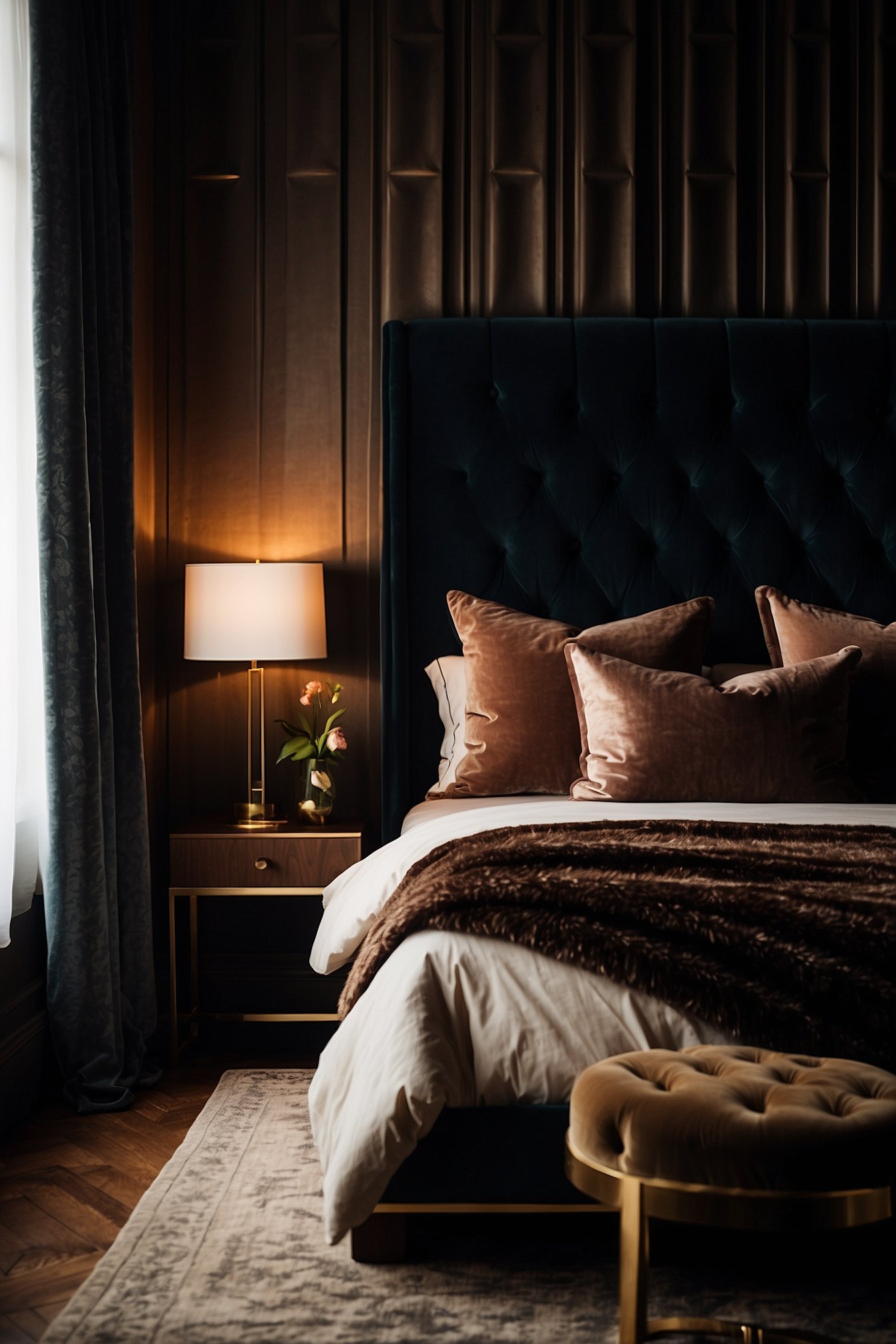
The bedroom is where smart home technology has the biggest impact on daily life. A well-designed smart bedroom improves sleep quality, simplifies your morning routine, and creates the kind of calm ritual that makes going to bed feel like a small luxury. Unlike smart home tech in other rooms, bedroom automation is deeply personal. It is the difference between waking up jarred by an alarm in a dark room versus waking up naturally as sunlight filters through gently opening curtains.
This guide walks through ten smart bedroom ideas that actually improve sleep and daily comfort, from sunrise alarms to automated climate control. Each idea includes specific product recommendations and explains how the automation integrates with a modern, warm neutral bedroom aesthetic. Most of these upgrades install in under an hour without drilling or professional help.
1. Smart Curtains For A Natural Sunrise Wake-Up
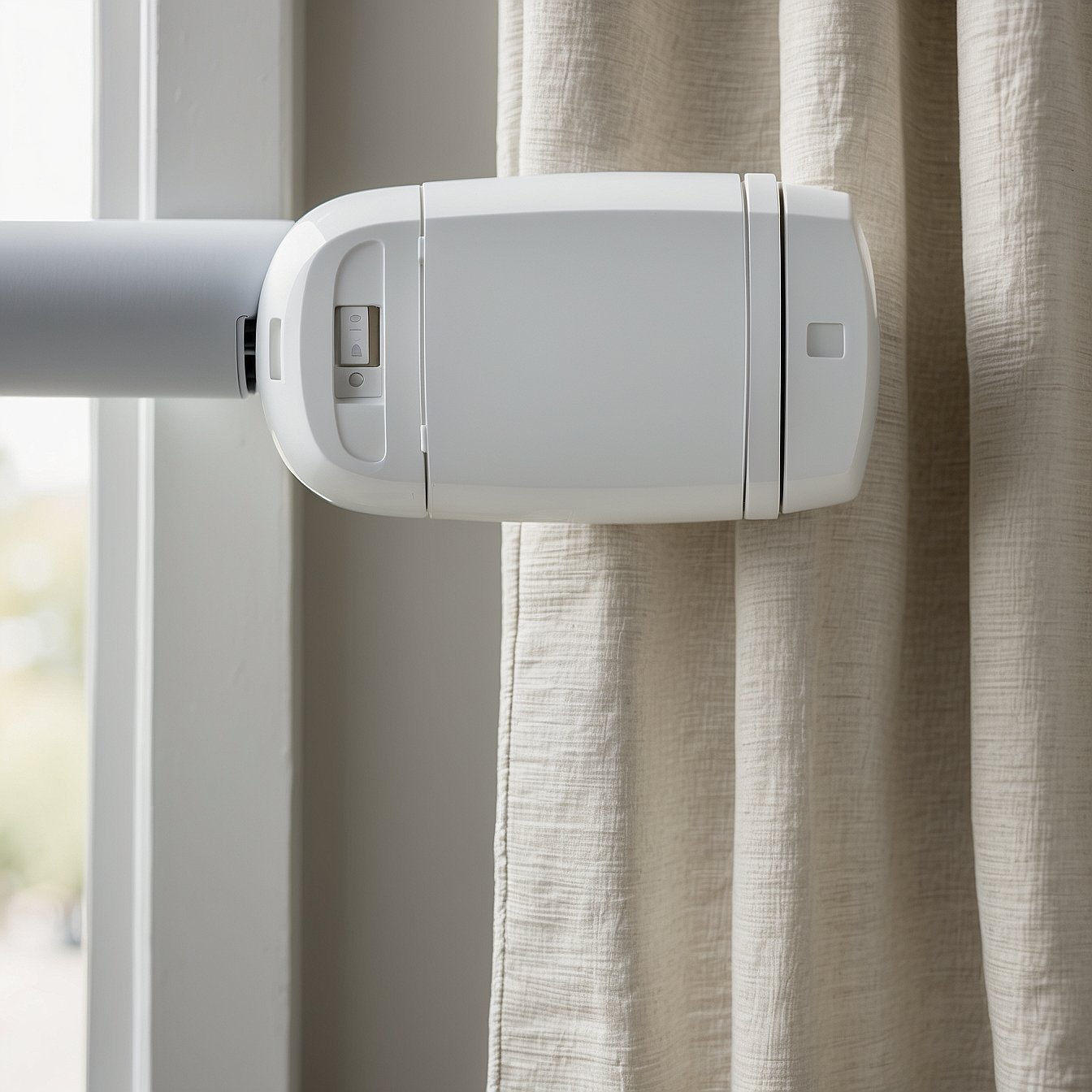
The single most impactful smart bedroom upgrade is motorized curtains set to open gradually at your wake-up time. The SwitchBot Smart Curtain attaches to your existing curtain rod in minutes without new hardware. Schedule it to open 15 minutes before your alarm, and you wake up to natural light gradually filling the room, exactly how human bodies are designed to wake.
Why it matters: Natural light exposure in the morning resets your circadian rhythm, improves mood, and makes it easier to wake up without feeling groggy.
Price: $89 to $129 per motor
2. Warm Smart Bulbs For Evening Wind-Down
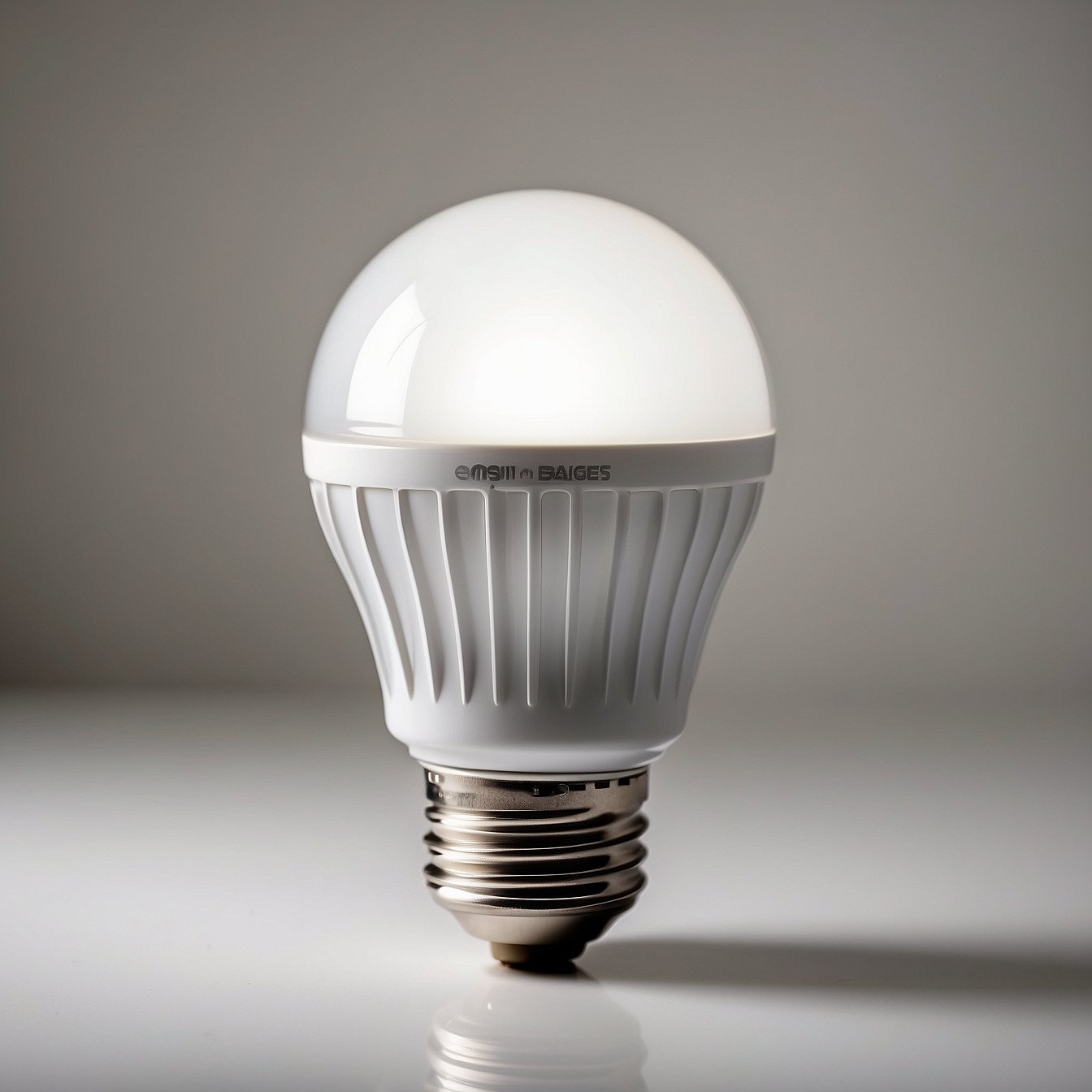
Harsh cool-white light in the evening suppresses melatonin production and disrupts sleep. Smart bulbs with warm dimmable light solve this beautifully. Set your bedroom bulbs to automatically dim to 20 percent brightness at 9pm and shift to the warmest color temperature possible. The room gradually signals your body that it is time to sleep. Morning bulbs can automatically brighten back to full warm white as you wake.
Best temperature: 2700K for evening, 3000K for morning. Never use cool whites (4000K plus) in the bedroom.
Price: $12 to $25 per bulb
3. Smart Thermostat For Optimal Sleep Temperature
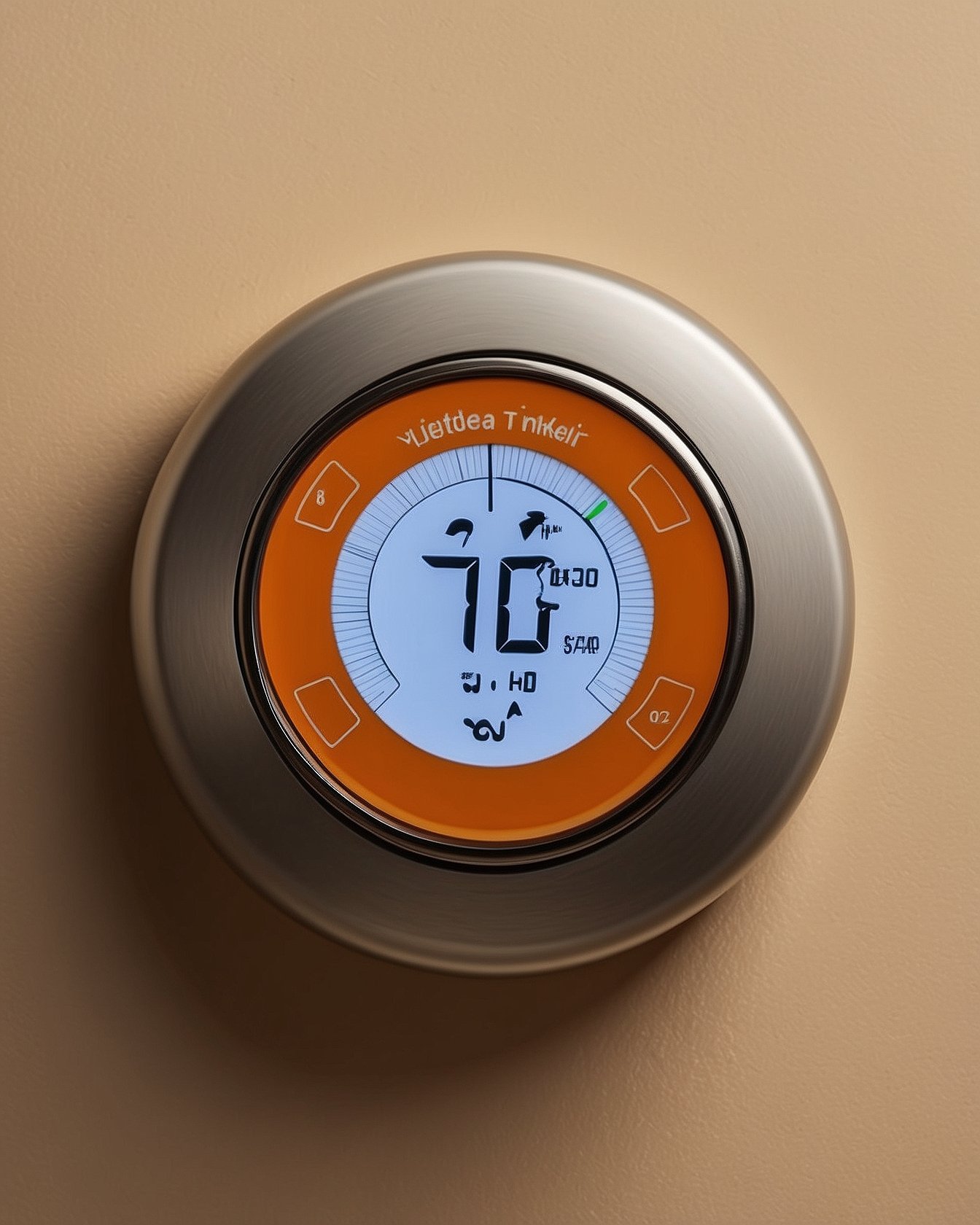
Research consistently shows that the optimal sleeping temperature is 65 to 68 degrees Fahrenheit. A smart thermostat can automatically drop to your optimal sleep temperature at bedtime and warm the bedroom back up shortly before your alarm. This eliminates the stuffy or freezing bedroom that disrupts sleep. Popular options include Ecobee, Nest, and Honeywell Home, all of which integrate with major voice assistants.
Price: $120 to $250 depending on model
Best pick: Ecobee Smart Thermostat Premium for homeowners, Honeywell Home T9 for more affordable option.
4. White Noise Or Sleep Sound Device
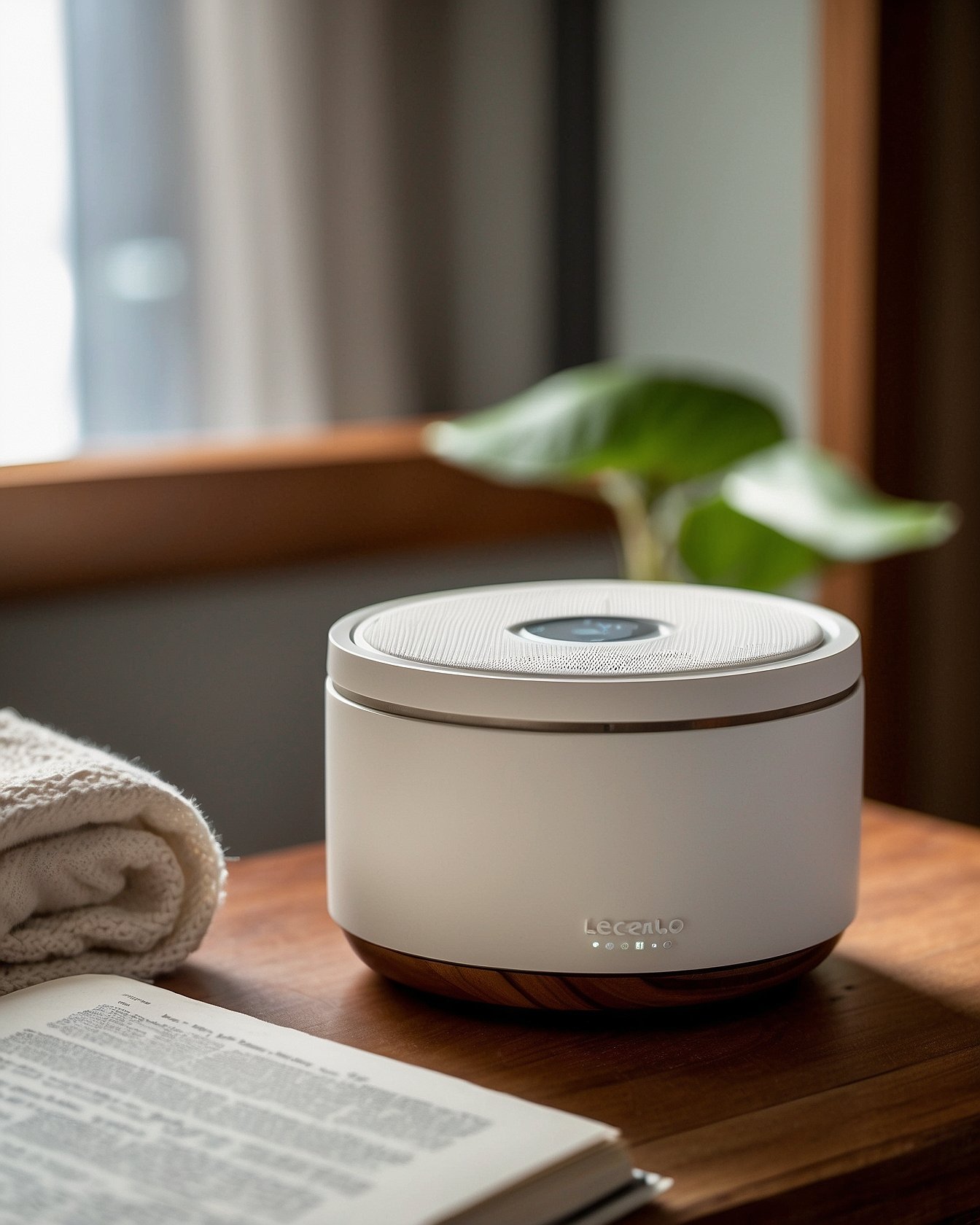
A dedicated white noise machine or smart speaker with scheduled sleep sounds masks outside noise and creates a consistent audio environment that improves sleep quality. Set it to automatically start playing at bedtime and fade out after 30 minutes. Brown noise, rain sounds, and gentle fan hum are the most popular options for light sleepers.
Price: $35 to $80 for dedicated white noise machines
Best pick: Yogasleep Dohm Classic is the gold standard for mechanical white noise. LectroFan Classic for digital with more sound options.
5. A Walnut Platform Bed With Integrated USB Charging
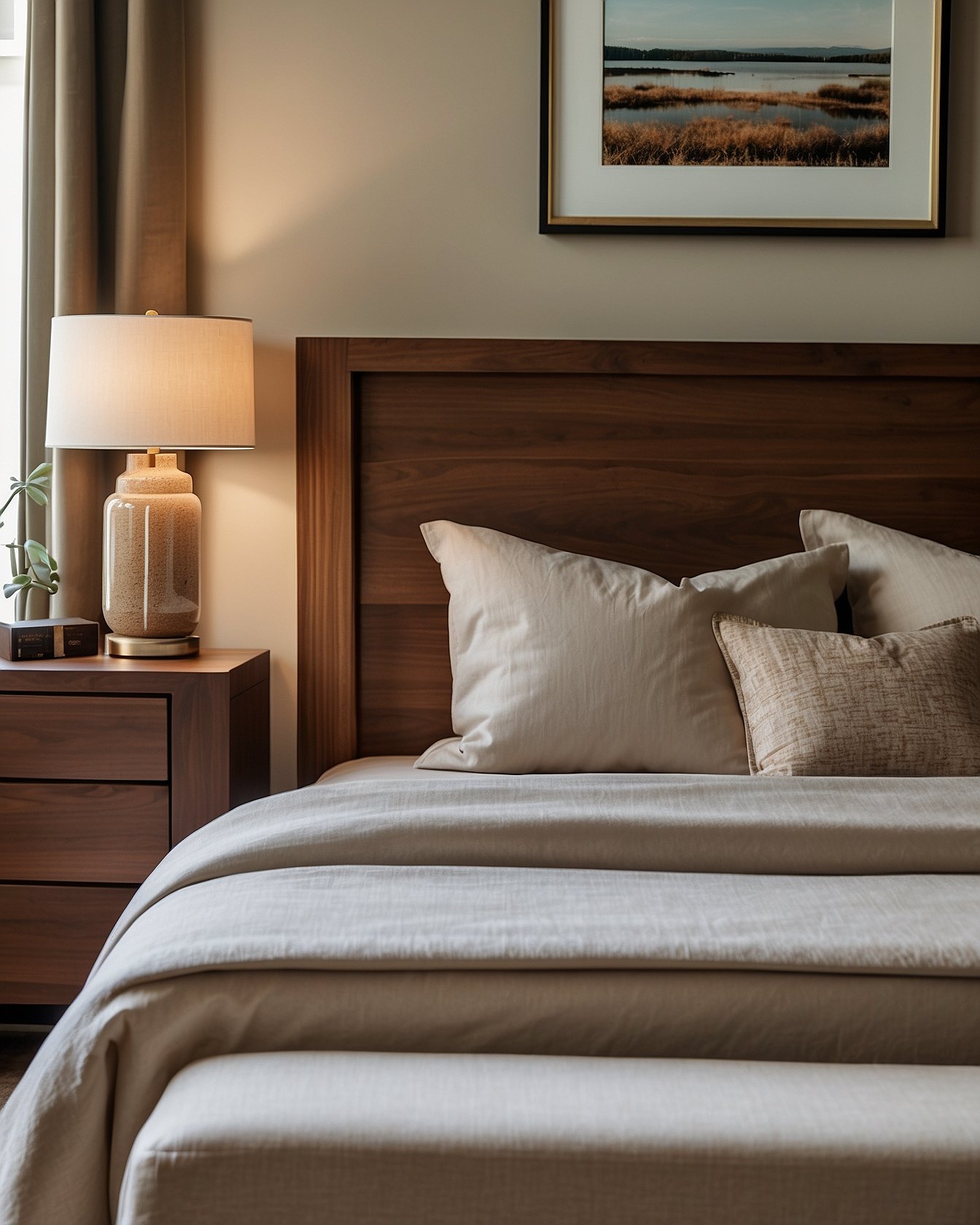
The best smart bedrooms pair technology with beautiful, intentional furniture. A walnut platform bed frame with integrated USB charging ports in the headboard or side rails eliminates the tangled cable mess that normally accompanies bedside phones, watches, and devices. The aesthetic stays clean, and the functionality is seamless.
Price: $380 to $780
For warm neutral bedrooms, Sicotas offers walnut platform beds that look designer but cost a fraction of custom options. Their bedroom collection pairs beautifully with the smart bedroom aesthetic.
6. Smart Air Purifier For Better Sleep Air Quality
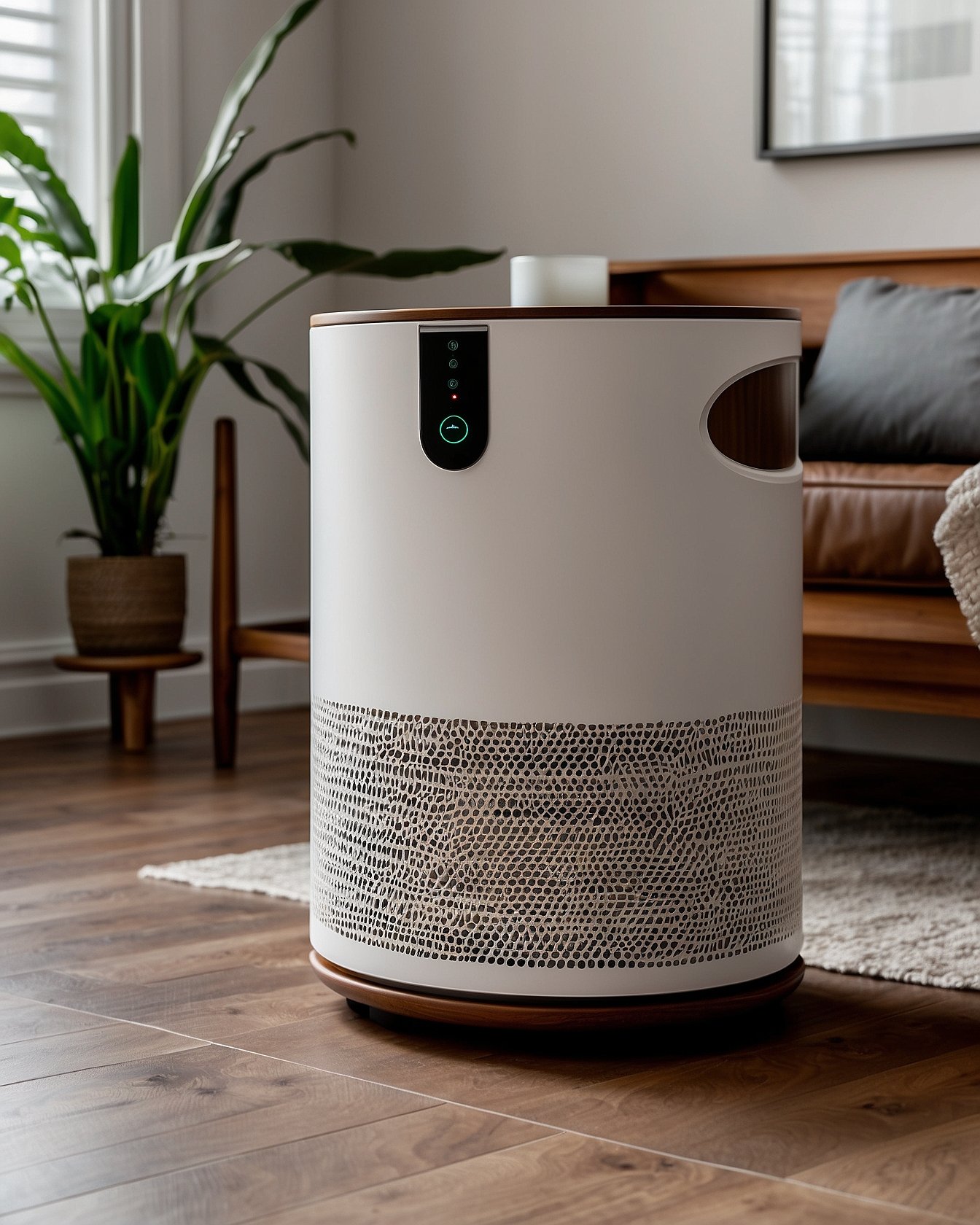
Air quality directly affects sleep. A smart air purifier with HEPA filtration removes dust, allergens, and volatile organic compounds from the air. The smart models monitor air quality and adjust fan speed automatically, typically running on ultra-quiet mode through the night. Over time, you notice fewer morning allergies, less congestion, and better overall sleep.
Price: $140 to $320
Best pick: Levoit Core 400S for medium rooms, Coway Airmega AP-1512HH for small bedrooms.
7. Motion-Activated Nightlights For Late Night Trips
Motion-activated LED nightlights under the bed or in the hallway automatically illuminate a soft warm path for late-night bathroom trips without the harsh overhead light that wakes you up fully. Once you experience this, you cannot go back. Stick-on battery-powered motion lights are the easiest install, no wiring needed.
Price: $18 to $35 for a multi-pack
8. A Sunrise Alarm Clock For Backup
Even with smart curtains, a dedicated sunrise alarm clock on the nightstand provides redundant wake-up light in case the curtain motor fails or the room is especially dark. Philips HF3500 and Hatch Restore are the two most popular options. The Hatch Restore also includes sleep sounds and meditations, making it a more complete sleep device.
Price: $60 to $180
9. Voice Assistant For Hands-Free Control
An Amazon Echo Dot or Google Nest Mini on your nightstand lets you control all the smart bedroom devices hands-free. "Turn off the lights," "Close the curtains," "Set alarm for 7am," without reaching for your phone. Voice control in the bedroom is particularly valuable because your phone often sits on a charger across the room (which is the healthy choice for sleep hygiene).
Price: $30 to $55
10. Smart Ceiling Fan With Temperature-Based Automation
A smart ceiling fan with integrated smart controls can automatically adjust speed based on room temperature. On hot nights, it automatically increases speed. On cool nights, it reverses direction to help circulate warm air. This is particularly useful in homes without whole-house AC or in bedrooms that tend to run warmer than the rest of the house.
Price: $220 to $480
The Complete Smart Bedroom Routine
Here is what a full smart bedroom routine actually looks like, set up with the automations described above.
Evening wind-down at 9:30pm: Bedroom lights automatically dim to 20 percent and shift to warm color temperature. Thermostat drops to 66 degrees. White noise begins playing at low volume.
Bedtime at 11pm: All lights turn off except motion-sensor nightlights. White noise fades out over 30 minutes. Curtains confirm closed.
Wake-up at 7am: Thermostat warms to 70 degrees. Curtains slowly open over 10 minutes. Bedside sunrise alarm gradually brightens. Morning lights come on at low warm brightness.
The entire routine runs automatically once set up, creating consistent, high-quality sleep conditions every night. The investment in setting up automation pays off every single day in better rest, better mornings, and better overall wellbeing.
This post contains affiliate links. We may earn a small commission at no extra cost to you.
◉ Complete Shopping List
Everything in this guide.
Swipe or tap the arrows to browse. Tap any product to view current pricing.